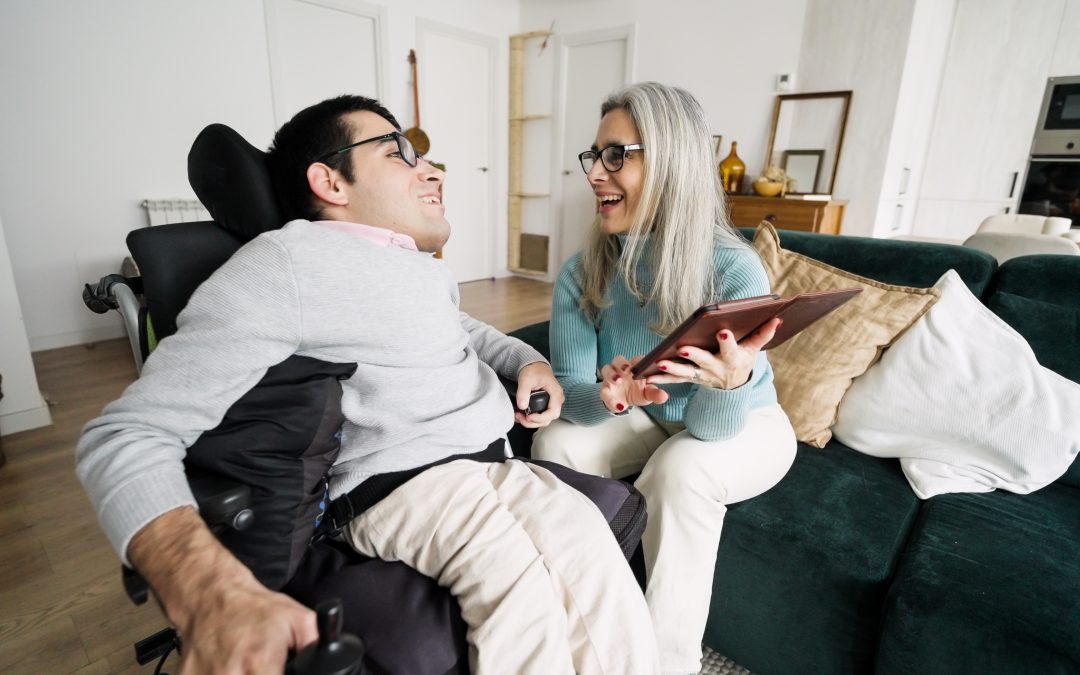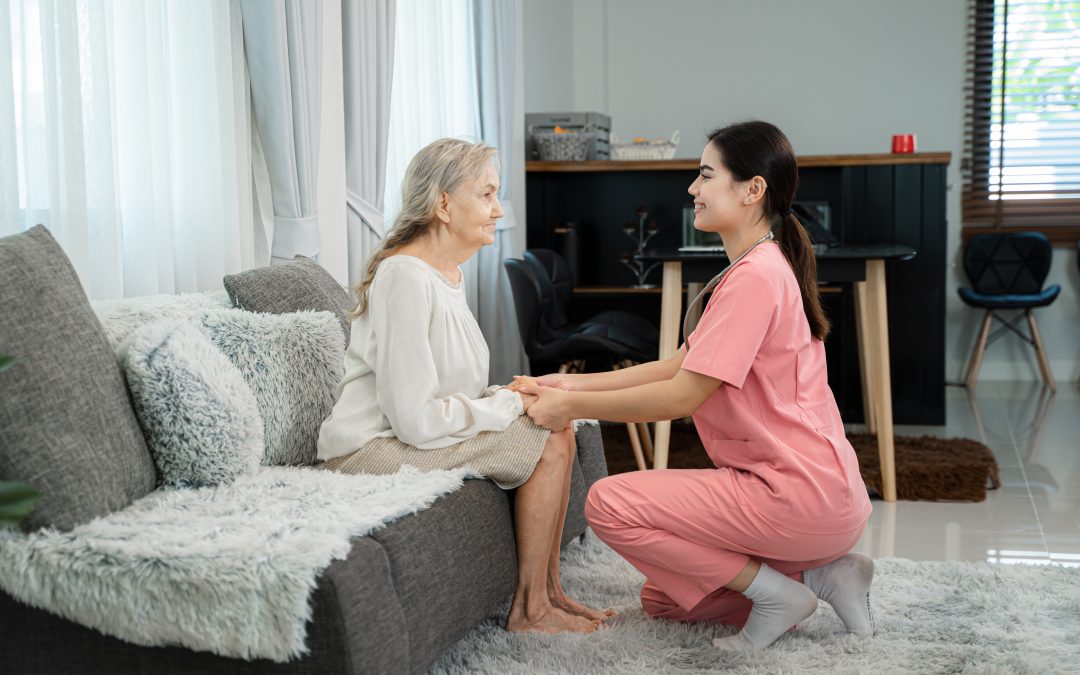
Winter has a way of changing the feel of a home. Shorter days, colder weather, and heavier layers can quietly turn familiar spaces into something a little harder to navigate. For seniors living independently, those seasonal shifts matter. A few thoughtful adjustments can go a long way toward protecting comfort, confidence, and peace of mind throughout the colder months. In this article, we will cover winter safety tips for seniors.
Brighten Up Winter Lighting Indoors and Out
As daylight fades earlier in winter, lighting becomes one of the most important safety details in the home and a key part of practical winter health tips for seniors. Dim spaces make it harder to see obstacles, especially in the early mornings and evenings when routines are still in place. Start by checking commonly used areas like hallways, staircases, bathrooms, and kitchens. Make sure bulbs are bright enough, and fixtures are working properly. Soft lighting is cozy, but winter is not the season for shadows in walking paths. Nightlights are especially helpful in bedrooms and bathrooms. A clear path to the bathroom during the night supports seniors’ daily routines and reduces the risk of missteps when eyes are still adjusting. Outside lighting matters just as much. Motion-sensor lights near entrances, garages, and walkways make it easier to see snow, ice, or uneven ground. They also can add a sense of security, which supports overall quality of life for seniors at home.
Keep Walkways Clear and Easy to Navigate
Winter walkways can become unpredictable quickly. Snow, ice, wet leaves, and even holiday decorations can turn entrances into hazards if they are not managed consistently. Staying mindful of these risks is an important part of practical winter safety tips for seniors at home. Make a habit of checking outdoor paths after storms. Clearing snow early, applying ice melt, and brushing away slush keep walkways safer throughout the day. Handrails should be sturdy and easy to grip, especially near steps and ramps. Inside the home, entryways deserve extra attention. Wet boots and coats often lead to slippery floors. Non-slip mats placed just inside the door can help absorb moisture and keep floors dry. If reaching outdoor areas feels challenging, this is where in-home support for seniors can be helpful. A companion can assist with light seasonal tasks or help coordinate services that keep walkways safe, without taking away independence.
Reduce Clutter That Builds Up in Colder Months
Winter naturally brings more items indoors. Coats, scarves, blankets, boots, and packages can pile up quickly. While these items are useful, they can also narrow walking paths and create tripping risks. Take a walk through the home and look at it from a safety perspective. Are there stacks of shoes near doors? Extra furniture that crowds hallways? Loose cords from space heaters or lamps?
Clearing clutter doesn’t mean removing personality or comfort. It simply means making sure frequently used paths are open and easy to move through. Storage bins, coat racks, and shoe trays help keep items organized and off the floor. This kind of organization supports maintaining independence for seniors by making daily movement simpler and less stressful.
Adjust Flooring for Winter Conditions
Flooring can feel different in winter, especially when surfaces become slick from moisture or when rugs shift due to heavier foot traffic. Area rugs should have a non-slip backing or be removed if they tend to slide. Pay attention to corners that curl or edges that lift, as those are common causes of trips.
Hard floors may feel colder, but they should still provide good traction. If floors feel slippery, consider textured runners placed securely in high-traffic areas. These small adjustments contribute to safer movement throughout the home and support those who are aging in place during colder months.
Make Seasonal Changes in Living Spaces
Winter routines often shift inward. Seniors may spend more time in living rooms, bedrooms, or favorite reading areas. Those spaces deserve a seasonal safety check. Furniture should be arranged so there is plenty of space to walk comfortably, even while wearing thicker clothing or slippers. Chairs and sofas should feel steady when sitting down or standing up.
Heating sources also need attention. Space heaters should be placed away from walkways, and cords should never cross paths where feet travel. Thermostats should be easy to reach and understand, reducing the need for unnecessary movement. These thoughtful adjustments help keep senior care at home comfortable and predictable through winter.
Support Safe Daily Routines During Shorter Days
Shorter daylight hours can subtly disrupt routines. Seniors may wake earlier to darkness or feel less motivated to move around later in the day. Encouraging consistent routines helps maintain confidence and structure. Keeping frequently used items within easy reach reduces the need to climb, stretch, or search in low light. A companion can provide gentle reminders, conversation, and encouragement as part of companion care for seniors, helping routines feel steady and familiar even as seasons change.
How Companionship Services Can Add an Extra Layer of Safety
While winter safety begins with the home itself, people play an important role as well. Senior companionship services offer more than friendly conversation. They provide an extra set of eyes, hands, and steady support during daily activities. Companions and caregivers can help notice when lighting needs improvement, when clutter starts to build up, or when walkways need extra attention. They can also assist with seasonal transitions, errands, and light household tasks that often feel more difficult during winter months.
For families looking for senior companion services in Cleveland or Chagrin Falls, non-medical companionship or caregiving support can be a reassuring option. It helps seniors maintain independence while providing meaningful daily support and added peace of mind for families. This type of in-home companion care is especially helpful for family caregivers or those supporting aging parents from a distance, offering a consistent presence when it matters most.
Partnering With Support Without Giving Up Independence
Accepting help doesn’t mean giving up control. Many seniors find that non-medical in-home care allows them to continue living life on their own terms while staying safe. Whether support comes a few hours a week or more regularly, companionship services can adapt to individual preferences and routines. This balance helps preserve dignity while supporting senior companionship and safety through winter. For families, this also provides gentle caregiver support services and occasional caregiver respite support, without shifting care into a clinical setting.
A Simple Winter Safety Mindset
Winter safety is about preparation. When homes are well-lit, clutter is managed, and walkways are clear, seniors can focus on enjoying the season rather than worrying about it. Research shows that many home injuries can be reduced with simple environmental changes, including improved lighting and safer walking paths. These practical steps protect comfort, confidence, and connection at home.
Supporting Independence With Care and Attention
At Cherished Companions, safety and independence go hand in hand. Thoughtful winter adjustments paired with compassionate companionship help seniors stay comfortable and confident at home all year long. If you’re exploring ways to support a loved one this winter, learning more about in-home support for seniors and companionship services can be a meaningful next step. Warmth, safety, and connection all belong at home, even during the coldest months. Contact us today to learn how our in-home care services in Cleveland and in-home care services in Chagrin Falls can help your loved one thrive this winter.
Disclaimer: The content in this blog is for informational purposes only and is not a substitute for professional medical advice, diagnosis, or treatment. Always seek the advice of your physician or other qualified health provider with any questions you may have regarding a medical condition.