Winter naturally slows things down. Days are shorter, the weather keeps people inside more often, and familiar routines can quietly shift. For seniors living independently, this seasonal change can feel especially noticeable. Activities that once filled the day may happen less often, and long stretches at home can start to feel quiet or isolating. That’s where companionship makes a meaningful difference. Senior companionship services help bring connection, structure, and warmth into the winter months, while continuing to honor independence.
Why Winter Can Feel Different at Home
Winter changes more than the temperature. It can limit social plans, reduce daylight hours, and make it harder to get out as often. Even small changes, like fewer casual conversations or canceled plans, can add up over time. For those who value maintaining independence for seniors, these months can feel frustrating. The desire to stay active and connected is still there, but the opportunities may not be as obvious. Companionship helps bridge that gap by keeping daily life engaging, even when the world outside feels quieter.
Companionship Brings Structure to the Day
One of the most comforting parts of in-home companion care is the rhythm it creates. Knowing someone will arrive at a familiar time gives the day shape and something to look forward to. This kind of daily support for seniors helps reinforce routines like meals, light activity, conversation, and shared moments. When days can blend together in winter, those routines matter more. Simple consistency supports confidence and a sense of purpose, both of which contribute to quality of life at home.
Staying Mentally and Socially Engaged Indoors
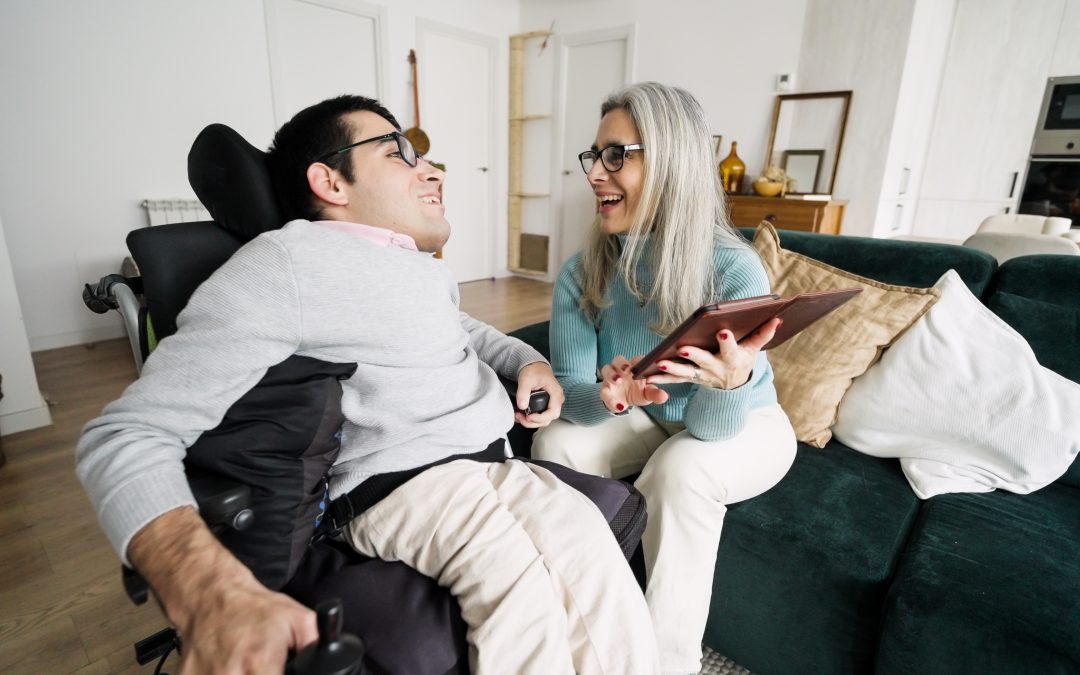
Engagement doesn’t have to mean constant activity. Often, it comes from shared experiences that feel natural and relaxed. Companions spend time talking, listening, and sharing everyday interests. That might look like watching a favorite movie or series together, working on a puzzle or reading aloud, listening to music and sharing memories, looking through photo albums, or cooking a familiar recipe side by side. When it comes to aging loved ones, helping them live happily through this life stage is so important. According to the National Institute on Aging, staying socially connected supports emotional health and overall well-being as people age. Companions and caregivers can provide that meaningful social connection.
Encouragement Without Taking Over
A good companion understands how to support without overshadowing independence. The goal is not to replace routines, but to enhance them. For seniors who value autonomy, non-medical in-home care offers help that feels collaborative rather than controlling. Companions encourage participation, ask about preferences, and respect personal space. This balance is especially important for those seeking aging-in-place support through the winter months.
Supporting Seniors Living Alone During Winter
For families providing help caring for aging parents, winter can bring added worry. Fewer visits, weather delays, and shorter days can make it harder to stay connected. Companionship offers reassurance. Knowing a trusted person is spending time with a loved one helps ease concerns about isolation, safety, and emotional well-being. This kind of help for seniors living alone also provides meaningful support for family caregivers, especially those balancing work, distance, or busy schedules.
Home Safety and Seasonal Awareness
Winter engagement also supports home safety for seniors. Companions notice changes that might otherwise go unseen, such as dim lighting during shorter days, clutter building up indoors, or walkways that need attention. Having another person present adds an extra layer of awareness without being intrusive. These small observations contribute to safer routines and greater comfort at home.
Companionship Supports Healthy Winter Routines
Winter can quietly disrupt sleep, meal timing, and activity levels. Companions help keep routines steady through gentle reminders and shared habits. Eating meals together, taking short indoor walks, or sticking to regular bedtimes can help maintain familiar rhythms. These routines support both confidence and energy during the colder months. Consistent routines also reinforce senior independence by making each day feel predictable and manageable.
A Meaningful Connection That Feels Personal
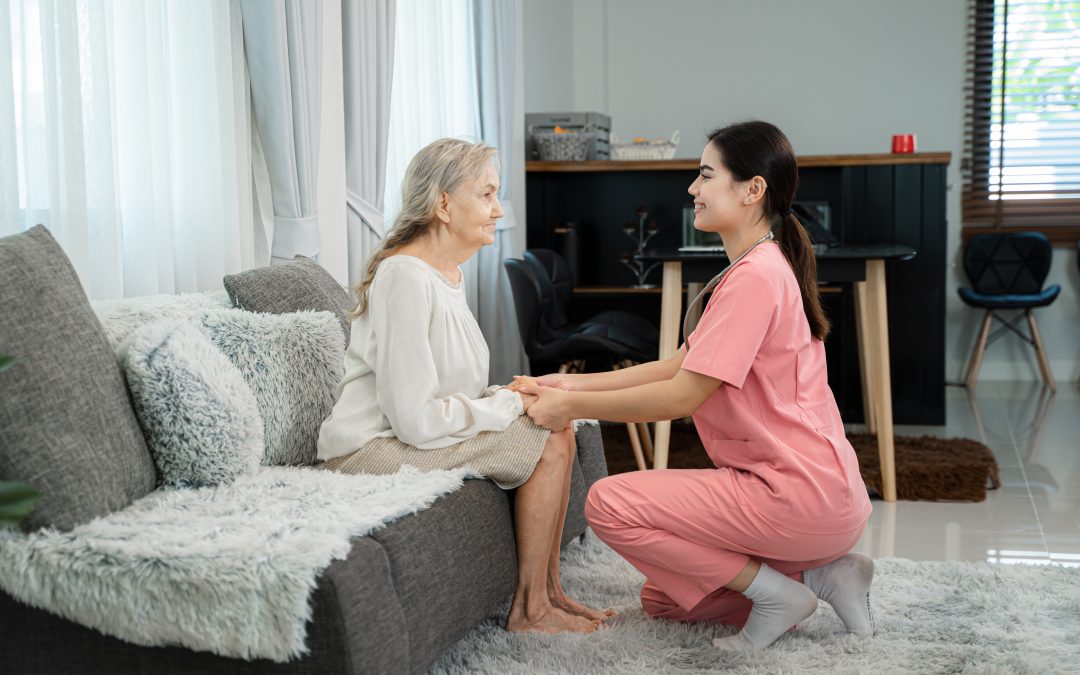
Not all companionship looks the same. Some seniors enjoy lively conversation and activities. Others prefer quiet company and familiar routines. The right match matters. Companion care for seniors works best when relationships are built thoughtfully. Companions take time to learn preferences, interests, and communication styles, allowing trust to develop naturally. That trust is what turns scheduled visits into something seniors genuinely enjoy.
Peace of Mind for Families
For families searching for senior companion services near Cleveland or Chagrin Falls, companionship provides more than company. It offers reassurance. Regular visits reduce worry and provide families with updates on how their loved one is doing day to day. This steady presence can also offer gentle caregiver respite support, giving family members time to rest without stepping away from involvement.
How Cherished Companions Supports Winter Engagement
At Cherished Companions, companionship is built around real relationships. The focus stays on connection, dignity, and independence, especially during seasons when isolation can feel stronger. Through personalized in-home support for seniors, companions help keep days engaging, routines steady, and spirits lifted throughout the winter months. Winter doesn’t have to feel quiet or disconnected. With the right companionship, seniors can stay engaged in ways that feel comfortable, familiar, and meaningful. Contact us today to learn how our in-home care services in Cleveland and in-home care services in Chagrin Falls can help your loved one thrive this winter.
Disclaimer: The content in this blog is for informational purposes only and is not a substitute for professional medical advice, diagnosis, or treatment. Always seek the advice of your physician or other qualified health provider with any questions you may have regarding a medical condition.