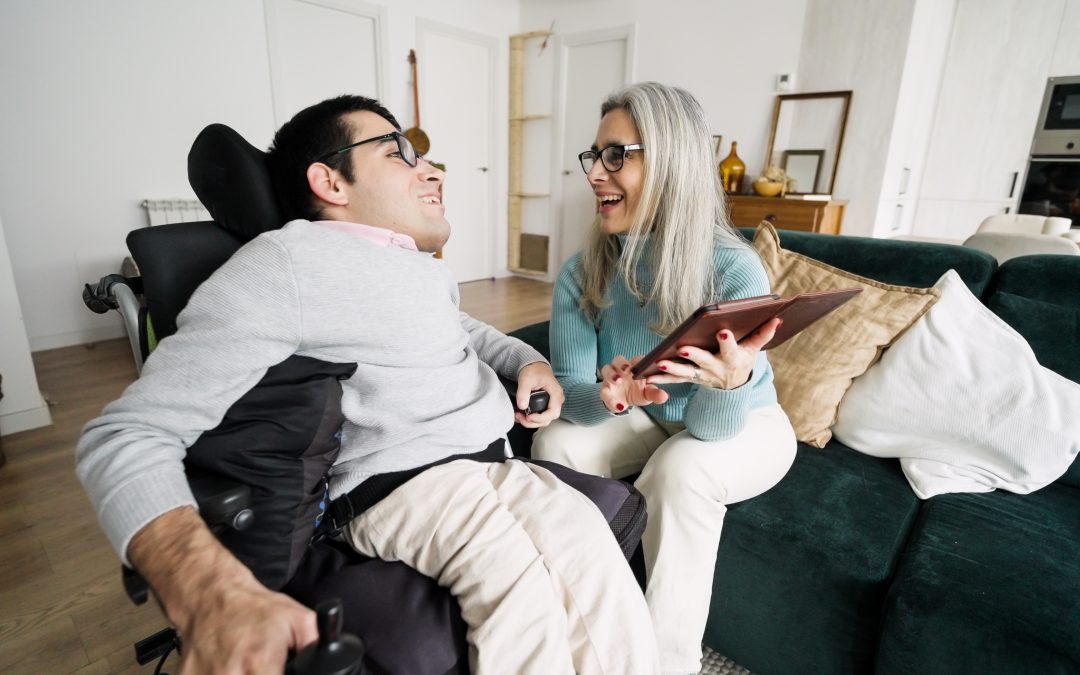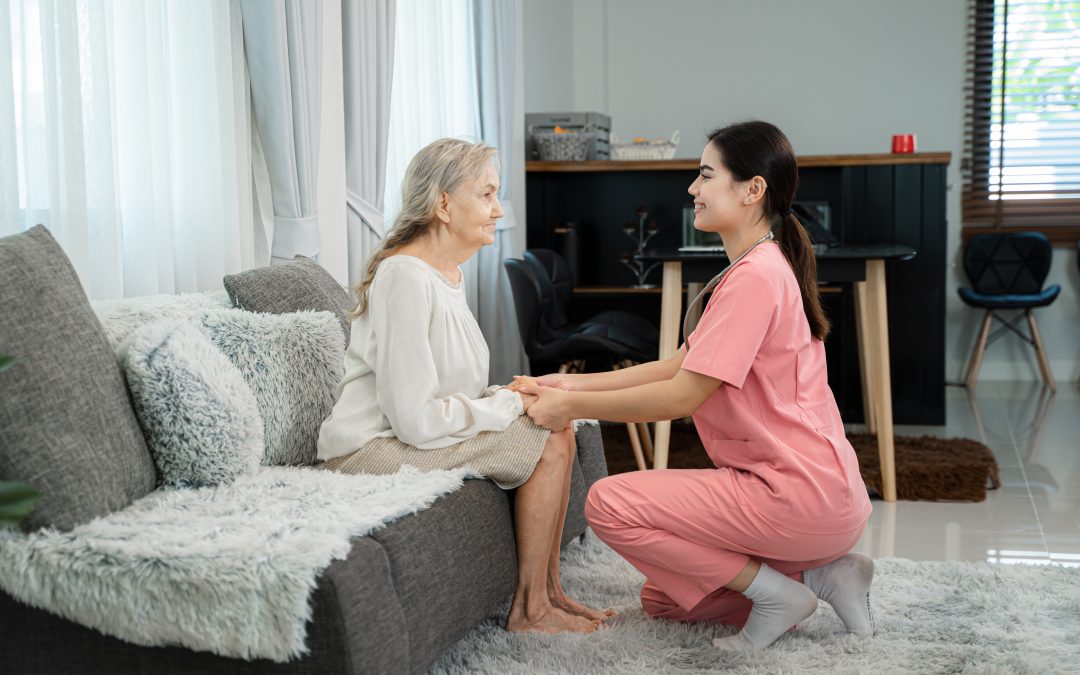
Independence is deeply important to many older adults. Being able to wake up in their own home, follow familiar routines, and make daily decisions brings a strong sense of comfort and dignity. For families supporting aging loved ones, the goal is often the same. They want to help without taking over. Yet independence can become harder to maintain when everyday life starts requiring more effort. Tasks that once felt simple may take longer. Errands feel tiring. Small responsibilities begin to stack up in ways that are easy to overlook at first. This is where consistent in-home companion care can make a meaningful difference. Regular visits do more than provide assistance. They help reinforce routines, restore confidence, and support seniors living independently in ways that feel natural rather than intrusive.
Why Consistency Matters in Senior Care at Home
Support works best when it becomes part of the rhythm of everyday life. When visits happen on a predictable schedule, seniors know when to expect help, conversation, or shared activities. That simple predictability can make the entire week feel more structured. Without that structure, days can easily blend together. Meals get pushed later. Small errands are postponed. A few skipped routines can gradually become a pattern. Consistent in-home support for seniors helps reintroduce gentle structure. Everyday tasks that become easier with companion care include preparing meals, keeping up with light chores, and maintaining a steady daily routine. The goal is not to control the day, but to give it shape again. A familiar visit might include sharing coffee in the morning, preparing lunch together, or taking a short walk. These moments add stability without disrupting independence.
Confidence Often Comes From Small Wins
Confidence is closely tied to daily habits. When routines are steady, people feel more capable of managing their own lives. For seniors, that confidence can fade when tasks start feeling harder to manage alone. It might begin with small frustrations like carrying groceries, organizing paperwork, or remembering appointments. When someone feels supported in those areas, confidence often returns. A companion may help organize the kitchen after lunch, sort mail together, or provide a reminder about an upcoming appointment. These actions may seem simple, yet they allow seniors to remain actively involved in their own routines. Rather than replacing independence, companionship helps maintain it.
Reinforcing Familiar Daily Routines
Daily routines support both emotional well-being and practical organization. They help seniors stay engaged with their surroundings and maintain a sense of purpose. Without work schedules or busy family responsibilities, days can feel open-ended. That freedom can be enjoyable at first, but over time, it may create uncertainty about how to spend the day. Senior companionship services help reinforce the small routines that keep life moving forward. This might involve setting a regular time for lunch, planning a weekly grocery trip, or scheduling a standing visit for conversation and activities. When these patterns become familiar, they help restore a comfortable rhythm that many seniors appreciate.
Supporting Seniors Living Independently
For older adults who want to remain in their homes, companionship provides support without changing the environment they value most. Aging-in-place support works best when it strengthens independence rather than replaces it. Caregivers assist with everyday tasks while encouraging seniors to stay involved in the process. Preparing meals together, organizing household items, or planning activities side by side helps reinforce the feeling that the home still belongs to the senior, not the caregiver. This collaborative approach helps maintain independence for seniors while still providing the practical support needed to keep life comfortable.
Helping Families Feel Reassured
Family caregivers often carry a silent mental load. Even when a loved one insists they’re doing fine, adult children may still worry about missed meals, isolation, or safety around the home. Consistent companion visits help ease that concern. Knowing that someone is stopping by regularly provides reassurance that a loved one has support throughout the week. For families balancing work, parenting, and caregiving responsibilities, this kind of help caring for aging parents can feel like a significant relief. Instead of feeling responsible for every detail, family members can focus on spending meaningful time together. This type of caregiver support often benefits both the senior and the entire family.
The Social Value of Regular Interaction
Conversation and shared experiences remain important at every stage of life. When social opportunities decrease, it can affect motivation and mood. According to the National Institute on Aging, maintaining social connections supports emotional and cognitive well-being as people age. Even a simple interaction can help reduce feelings of isolation. Companion caregiving helps provide those consistent connections. Some visits may include lively conversation and activities, while others may simply involve quiet company and support during a routine part of the day. Both forms of interaction can contribute to a stronger sense of connection. Over time, these visits often become something seniors genuinely look forward to.
Practical Support That Makes the Week Easier
Non-medical in-home care focuses on everyday assistance that helps keep life running smoothly. Rather than stepping in only when problems arise, consistent visits help prevent small challenges from growing into larger ones.
A companion caregiver may help with a range of daily activities, such as:
- Sharing meals and conversation
- Providing transportation to appointments or errands
- Assisting with grocery shopping
- Offering medication reminders
- Helping with light housekeeping tasks
- Supporting hobbies or favorite activities
- Keeping an eye on home safety concerns
These forms of daily support for seniors help maintain a comfortable environment while allowing older adults to remain actively involved in their own lives.
Encouraging Independence Without Pressure
A thoughtful caregiver understands that independence looks different for every person. Some seniors enjoy lively conversation and shared activities. Others prefer quiet companionship while completing their own routines. Companionship respects those preferences. The goal is to support the lifestyle a person already values while providing reassurance when needed. When care feels collaborative rather than controlling, seniors are often more comfortable accepting assistance. This approach allows companionship to become a natural extension of daily life.
Building Trust Through Consistent Presence
Trust develops gradually. When visits happen regularly, relationships have time to grow in a natural way. Over time, caregivers learn personal preferences, daily habits, and small details that help support the senior more thoughtfully. They may know which morning routine feels most comfortable or which activity brings the most enjoyment during the afternoon. This familiarity is part of what makes consistent in-home companion care so effective. The relationship becomes more than scheduled support. It becomes a trusted presence within the home.
Helping Seniors Thrive at Home
Remaining at home while aging brings comfort, familiarity, and a sense of identity. With the right support in place, many seniors continue enjoying the routines and surroundings they value most. Consistent companionship plays an important role in making that possible. By reinforcing daily structure, encouraging independence, and providing meaningful connections, regular visits help maintain quality of life at home. Cherished Companions provides compassionate, relationship-based care designed to support seniors and their families. Through personalized senior companionship and non-medical in-home care, caregivers help older adults remain confident and comfortable in their own homes.
Families looking for dependable in-home care services in Cleveland or in-home care services in Chagrin Falls can find thoughtful support tailored to their loved one’s routine and preferences. When support becomes part of everyday life, independence often feels easier to maintain.
Disclaimer: This content is for informational purposes only and is not a substitute for professional medical advice. Always seek guidance from a qualified healthcare provider regarding medical concerns.