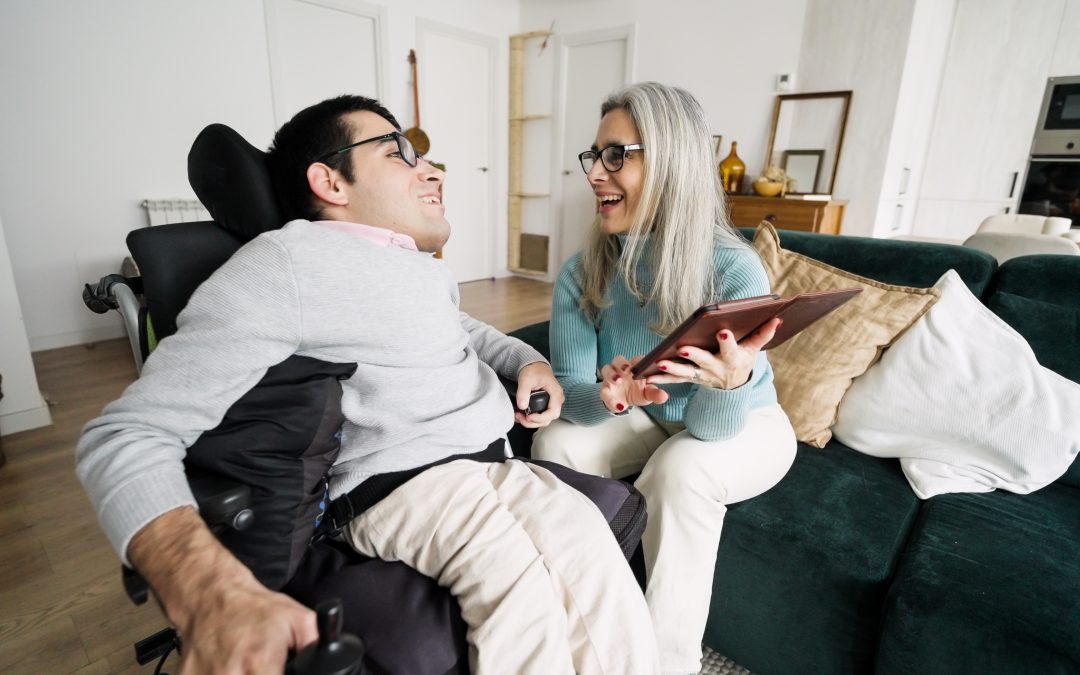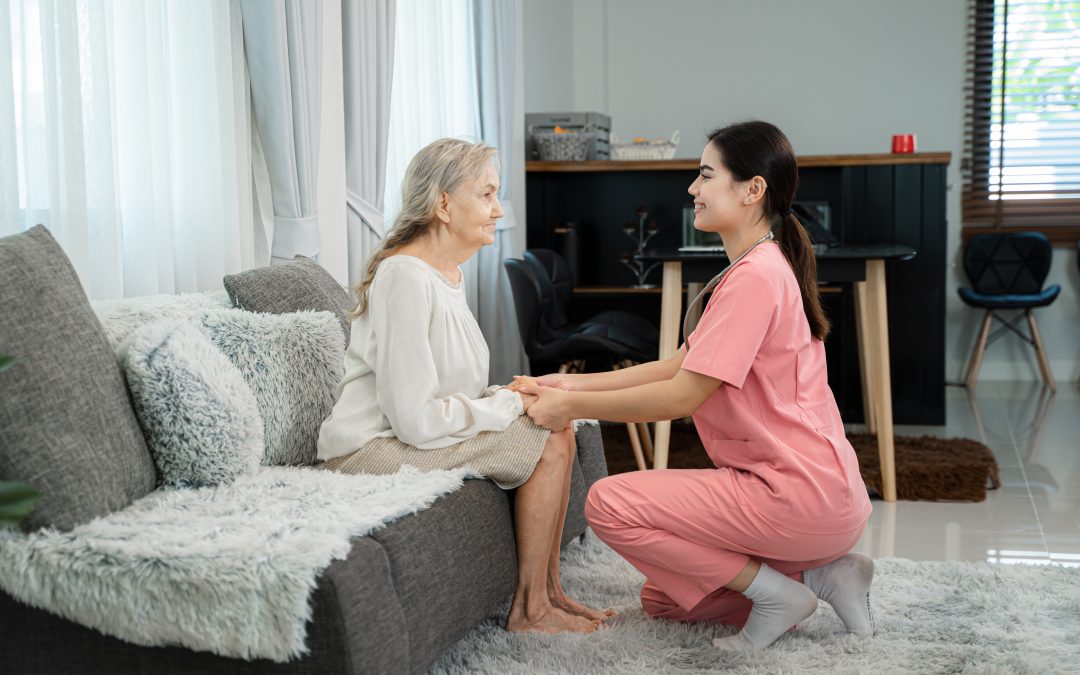
Human connection remains important at every stage of life. Conversation, shared experiences, and simple daily interactions help people feel engaged with the world around them. For seniors living at home, those interactions can become less frequent over time. Life naturally changes with age. Retirement may reduce daily interaction with coworkers. Friends and neighbors may move away. Health concerns or driving limitations can make it harder to attend social gatherings. Even when someone is comfortable living independently, their social circle may gradually become smaller. These changes are often subtle at first. A missed lunch with friends here, a canceled outing there. Over time, however, fewer interactions can lead to longer stretches of quiet days. Companionship and social engagement play an important role in supporting emotional well-being and overall quality of life for seniors living at home.
How Social Circles Naturally Change With Age
The structure of daily life tends to shift after retirement. Work schedules, school events, and community activities that once created regular interaction may no longer be part of the week. For seniors living independently, this shift can sometimes feel unexpected. Days may feel less structured, and opportunities for casual conversation may become less frequent. These changes do not necessarily lead to loneliness, but they can make it easier for social connections to fade gradually. Maintaining meaningful interaction often requires more intentional effort than it once did. Family members may notice that a loved one talks less about friends, attends fewer gatherings, or spends more time alone at home.
The Emotional Impact of Staying Connected
Social connection supports emotional health in ways that are often easy to overlook. A friendly conversation, shared laughter, or even a short visit can help brighten the day and bring a sense of normalcy to daily life. According to the National Institute on Aging, maintaining relationships and regular interaction helps support mental and emotional well-being as people age. When seniors have opportunities to engage with others, they often feel more motivated to participate in daily routines, pursue hobbies, and remain involved in their communities. Even small moments of connection can have a meaningful impact.
Everyday Interaction Matters More Than People Realize
Many people think of social interaction as large gatherings or planned events. In reality, connection often comes from much simpler moments. A conversation over coffee, sharing a meal, or talking about memories while looking through photographs can bring comfort and familiarity. These interactions provide an opportunity for storytelling, laughter, and reflection. For seniors who live alone, these everyday moments may not happen as frequently without intentional support. Companion care for seniors helps ensure that conversation and shared activities remain part of the week. Regular visits create opportunities for connection that might otherwise be missing.
Supporting Seniors Living Independently
Maintaining independence remains a priority for many older adults. Living at home allows them to follow familiar routines, enjoy personal spaces, and maintain a sense of control over daily decisions. In-home care services support that independence while also providing meaningful interaction. Companions spend time with seniors in ways that feel natural and relaxed. Activities may include walking around the neighborhood, preparing meals together, playing games, watching a favorite television program, or simply sitting down to talk. These interactions provide both social engagement and practical support, helping seniors feel connected while continuing to live comfortably in their own homes.
The Role of Companionship in Daily Life
Companion care focuses on non-medical in-home care that supports both emotional well-being and everyday routines. While assistance with tasks can be helpful, the relationship itself is often the most valuable part of the visit. Over time, companions learn a senior’s preferences, interests, and routines. They may know which stories bring laughter or which activities create the most enjoyment during the day. This familiarity helps build trust and comfort, allowing companionship to become a welcome part of the weekly routine. Families often find reassurance in knowing their loved one has regular interaction and support throughout the week.
Ways Companion Care Encourages Social Engagement
Companion care provides opportunities for interaction while supporting daily activities that help keep life organized and enjoyable.
Visits often include a mix of social time and practical assistance, such as:
- Conversation and shared meals
- Playing games or working on puzzles
- Watching favorite shows or listening to music
- Taking short walks or enjoying outdoor time
- Transportation to appointments or social outings
- Help with errands and grocery shopping
- Support for hobbies and personal interests
These activities help maintain a sense of engagement and connection within daily life.
Helping Families Feel Reassured
Family caregivers often worry about isolation when a loved one lives alone. Even when they check in regularly, it can be difficult to know how much social interaction is happening throughout the week. In-home caregivers help ease that concern by providing consistent visits. A trusted companion offers both conversation and practical assistance, helping seniors remain connected and supported. For families balancing work and personal responsibilities, this type of help caring for aging parents can reduce stress while ensuring a loved one continues receiving regular attention. Companionship also allows family visits to focus more on quality time rather than household tasks.
Building a Life That Still Feels Full
Social connection is an important part of a senior’s quality of life at home. When older adults have opportunities to interact with others, share experiences, and stay involved in activities they enjoy, daily life often feels richer and more fulfilling. Companion caregiving helps maintain that sense of engagement while respecting independence and personal routines. Rather than replacing family relationships, companion visits help expand a senior’s support system and create additional opportunities for connection.
Supporting Meaningful Connection at Home
Cherished Companions provides compassionate, relationship-focused care designed to support seniors and their families. Through personalized senior companionship and non-medical in-home care, caregivers help older adults remain socially connected while continuing to live comfortably at home. Families looking for dependable in-home care services in Cleveland or in-home care services in Chagrin Falls can find thoughtful support that prioritizes dignity, independence, and daily connection. When social interaction remains part of everyday life, seniors often feel more engaged, confident, and supported in their homes.
Disclaimer: This content is for informational purposes only and is not a substitute for professional medical advice. Always consult a qualified healthcare provider regarding medical concerns.