Winter brings more than cold weather and shorter days. For older adults, the season can introduce challenges that are easy to overlook at first. A lingering cold, fewer daily walks because sidewalks feel unsafe, or long stretches spent indoors can gradually affect strength, energy, and overall well-being.
You might notice small shifts, like a parent brushing off a cough as typical winter discomfort or choosing to stay inside rather than risk a slippery walk. Over time, these changes can add up, making it harder to maintain routines that support physical and emotional health.
Supporting senior health during winter takes more than staying warm. It often means paying closer attention to daily habits like nutrition, movement, social connection, and home safety, all of which play an important role in navigating the season more comfortably.
Understanding Winter’s Impact on Senior Health
Cold temperatures can affect older adults differently than younger ones. Cold temperatures cause blood vessels to constrict, which can place additional strain on the cardiovascular system. Older adults may have a harder time regulating body temperature, which can increase sensitivity to colder indoor environments.
Reduced sunlight exposure during winter months can lead to vitamin D deficiency, which weakens bones and immune function. The lack of natural light may also disrupt sleep patterns and contribute to seasonal mood changes that can deepen over time.
Preventing Common Winter Illnesses
Respiratory infections spread more easily during winter when people spend more time indoors in close contact. According to the Centers for Disease Control and Prevention, people 65 years and older are at higher risk of developing serious complications from flu compared to young, healthy adults.
Good hygiene habits become especially important during winter months, when people spend more time indoors.
Maintaining Proper Nutrition During Winter
Winter often brings changes in eating habits that can affect health. Fresh produce becomes less appealing when cold weather makes you crave comfort foods. Shopping trips decrease when weather is poor, leading to reliance on less nutritious convenience foods.
Protein intake remains crucial for maintaining muscle mass and immune function. Warm soups with beans, lentils, or chicken provide both protein and hydration. Eggs, Greek yogurt, and cheese offer easy protein sources that do not require extensive preparation. Hydration needs do not decrease in winter, but the urge to drink water often does. Warm herbal teas, broths, and water with lemon can make hydration more appealing during cold weather.
Keeping Physically Active Indoors
Physical activity often drops during winter when outdoor exercise becomes difficult or dangerous. This reduction in movement leads to muscle loss, decreased balance, and increased fall risk that persists even after winter ends.
Simple indoor exercises maintain strength and flexibility. Chair-based exercises work well for seniors with limited mobility. Standing exercises using a counter or sturdy chair for balance help maintain leg strength. Regular movement throughout the day matters more than long exercise sessions. Standing up and moving for a few minutes every hour prevents stiffness and keeps circulation flowing.
Preventing Falls and Cold Weather Injuries
Falls cause serious injuries year-round, but winter conditions increase the risk significantly. Ice, snow, wet floors from melting snow, and reduced visibility all create hazards. Older adults who fear falling often limit their movement, which ironically increases fall risk by reducing strength and balance.
Indoor safety measures protect against winter-related falls. Removing throw rugs eliminates tripping hazards. Installing grab bars in bathrooms provides stability. Ensuring adequate lighting throughout the home helps seniors see potential hazards. Proper footwear matters indoors and out. Shoes with non-slip soles provide better traction on potentially slippery surfaces.
Supporting Mental Health and Emotional Well-Being
Winter affects mental health in ways that deserve serious attention. Reduced sunlight exposure can contribute to seasonal mood changes. Social isolation increases as weather limits outings. The combination of physical limitations and emotional struggles creates a cycle that becomes harder to break as winter continues.
Maintaining social connection protects mental health during winter months. Regular phone calls or video chats with family and friends provide emotional support. Even brief conversations help seniors feel connected and valued. Engaging in enjoyable activities supports emotional well-being. Reading, puzzles, crafts, or watching favorite shows provide mental stimulation and pleasure.
The Role of Professional Support in Winter Health
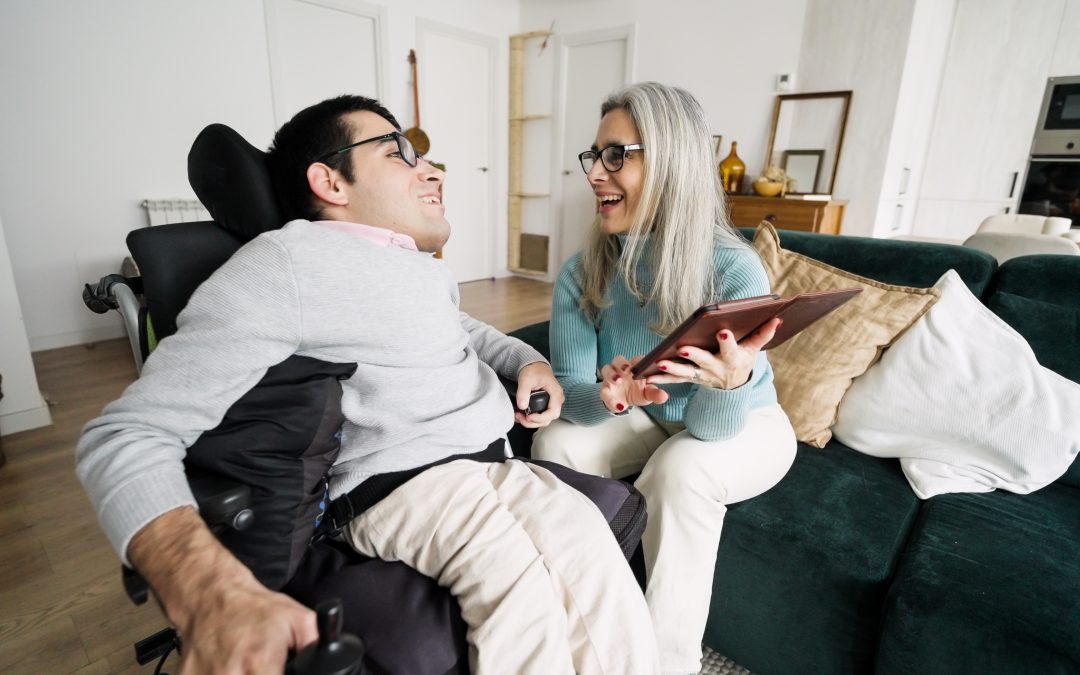
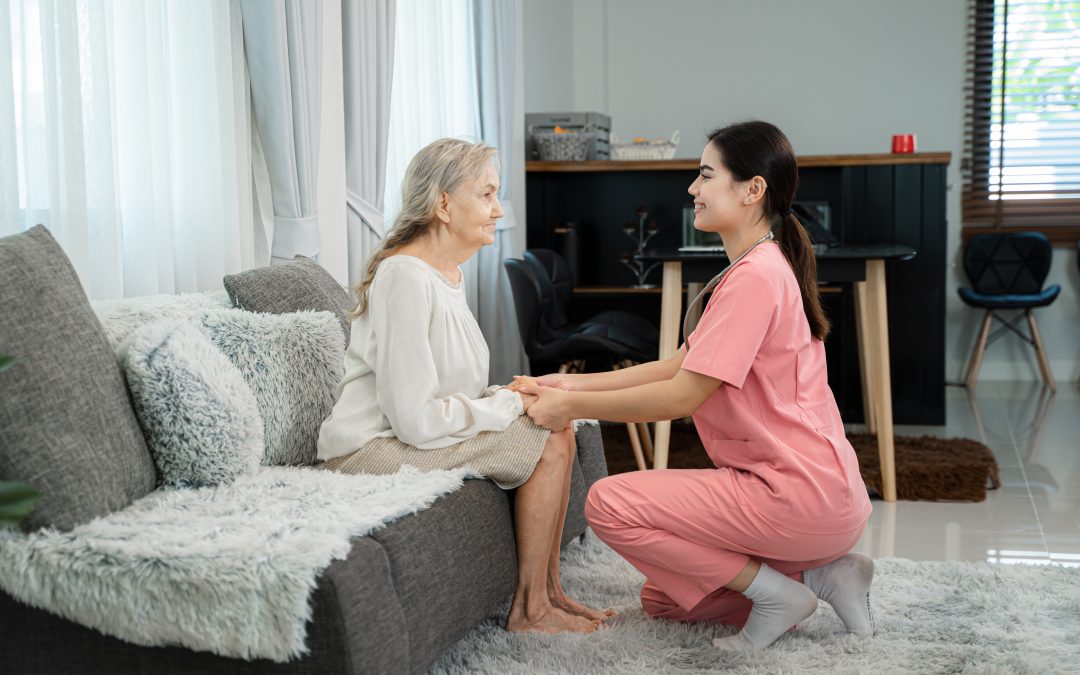
Professional companions provide practical, day-to-day support that can influence overall well-being during winter. They can ensure seniors eat nutritious meals regularly, encourage and assist with indoor physical activity, and may notice changes in daily routines or behavior and help families stay informed.
Companions also reduce the isolation that threatens mental health. Regular visits provide conversation, engagement, and the reassurance that someone cares and is paying attention. Transportation assistance from companions helps seniors get to appointments, pick up prescriptions, and run essential errands, even during challenging weather.
Creating a Winter Wellness Plan
A proactive approach to winter health makes a significant difference. Planning ahead for the season’s challenges allows you to put supports in place before problems develop.
Stock up on essentials before severe weather arrives. Having enough essentials, nutritious non-perishable foods, and basic household supplies reduces stress and limits the need to go out in dangerous conditions. Establish regular check-ins with family members or friends. Daily or every-other-day calls ensure someone notices if health problems develop.
Thriving Through Winter Instead of Just Surviving
Winter does not have to mean declining health for older adults. With attention to nutrition, activity, safety, and social connection, seniors can maintain their health and even enjoy the season.
Professional in-home support makes this possible by providing the consistent help that allows older adults to stay nourished, active, connected, and safe throughout the winter months. When someone is present to encourage healthy habits and provide practical assistance, winter becomes manageable rather than threatening.
Cherished Companions understands the unique health challenges that winter brings for older adults. Our professional companions provide the nutrition support, activity encouragement, safety assistance, and social connection that help seniors maintain their health and well-being throughout the coldest months. Contact us today to learn how our in-home care services in Cleveland and in-home care services in Chagrin Falls can support your loved one’s health this winter.
Disclaimer: The content in this blog is for informational purposes only and is not a substitute for professional medical advice, diagnosis, or treatment. Always seek the advice of your physician or other qualified health provider with any questions you may have regarding a medical condition.