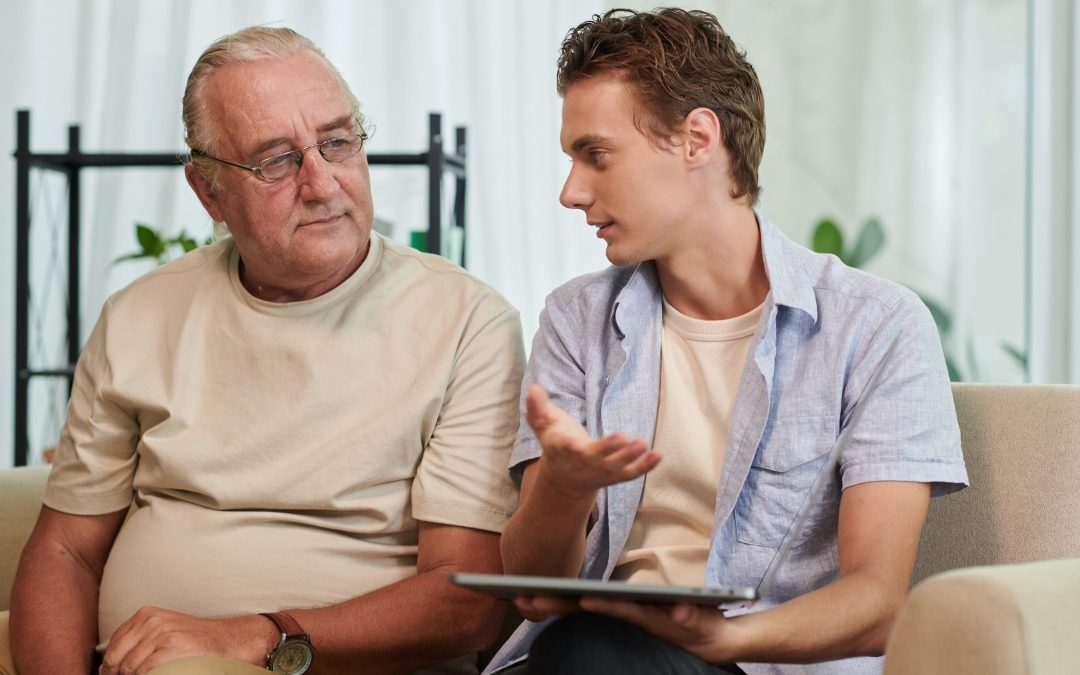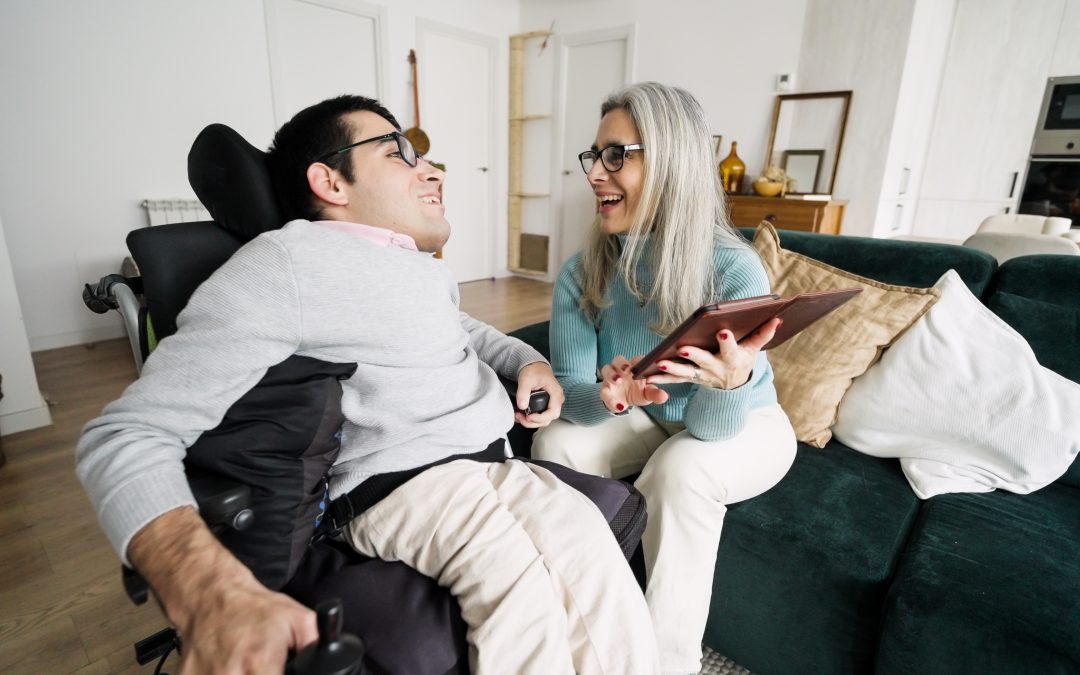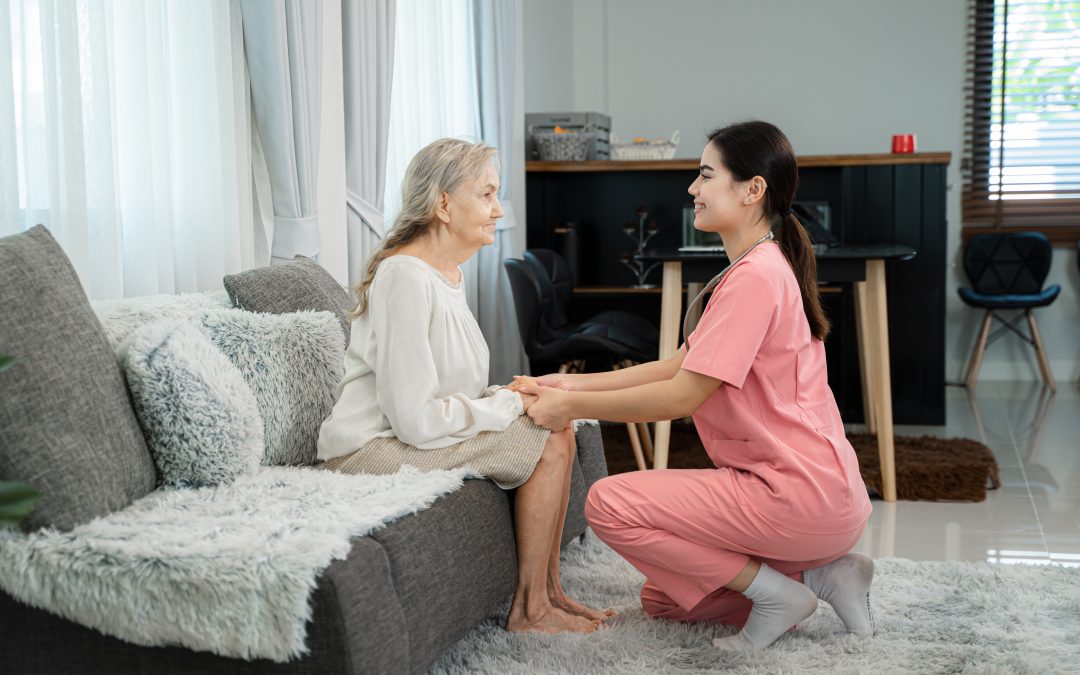
According to the Stanford Center on Longevity, strong social connections play a big role in the overall health and well-being of older adults. When seniors feel seen, heard, and genuinely cared for, they tend to experience better emotional health, more engagement in their care, and a higher quality of life.
For families considering in-home care, personal connection matters. It is what turns daily support into something more meaningful—a care experience that helps older adults feel truly at home.
What Personal Connection Means in Senior Care
Personal connection in caregiving means seeing each person as an individual—with unique preferences, routines, and life experiences that shape how they want to be supported. Some older adults enjoy structured mornings; others prefer flexibility. A thoughtful caregiver learns these preferences and adapts care accordingly, whether that is making coffee a certain way, choosing a favorite TV show, or simply offering quiet companionship.
Meaningful connection also comes from a genuine interest in a person’s story. Knowing someone’s former career, family traditions, or proudest moments allows for conversations that honor their identity and create deeper trust.
That trust grows through consistency. When caregivers show up reliably, remember details, and follow through, older adults feel safer sharing their needs and more comfortable receiving support.
How Personal Connection Improves Care Quality
The benefits of strong caregiver relationships go beyond emotional comfort—they directly improve the quality of care. When seniors feel at ease with their caregivers, they are more likely to share concerns or changes in how they are feeling, which helps identify issues early and adjust support as needed.
Trusted caregivers also notice subtle changes in mood, energy, or routine that might otherwise go unnoticed. These observations can be key to maintaining safety and well-being.
When seniors trust their caregiver, they are more likely to take medications as prescribed, stay active, and feel comfortable accepting help. According to the National Institute on Aging, social connection plays a vital role in mental health. Caregivers who build personal relationships offer more than just assistance. They provide emotional support that helps reduce loneliness and depression.
Building Meaningful Relationships in Caregiving
Building genuine connection takes intentional effort. It starts with active listening—paying close attention, asking thoughtful questions, and remembering what matters to the person being cared for.
Shared interests like gardening, recipes, books, or favorite shows can turn daily routines into moments of joy. These interactions create familiarity and trust, helping care feel more like companionship.
Personal connection in care means being warm, present, and respectful, with a focus on comfort, dignity, and well-being.
The Impact on Families
When caregivers form strong personal connections with their loved ones, family members experience significant benefits as well. Families feel more confident about care arrangements when they see genuine affection and respect between their loved one and their caregiver. This emotional connection provides reassurance that their family member is not just receiving assistance, but is truly being cared for.
When older adults are happy with their caregivers and feel genuinely supported, family members experience less worry and guilt about care arrangements. Strong caregiver relationships also reduce the likelihood of care disruptions or conflicts, creating stability that benefits everyone involved.
When seniors feel emotionally supported by their caregivers, they often have more energy and positivity for family interactions. This can strengthen family relationships and lead to more meaningful time together.
Choosing Caregivers Who Prioritize Personal Connection
At Cherished Companions, we believe the heart of quality care lies in personal connection. That is why we carefully select caregivers for more than just their experience—we look for people who bring warmth, empathy, and a genuine love for supporting older adults. This approach has earned us recognition as a 2025 Caring Stars award winner and a Best of Home Care – Leader in Experience award from Home Care Pulse. These honors reflect our commitment to client satisfaction, quality care, and the strong relationships we build with the families we serve.
Our training emphasizes not only the practical aspects of care but also how to build meaningful relationships that help clients feel comfortable, respected, and seen. We take the time to thoughtfully match caregivers with each client based on personality, preferences, and communication style, so that support feels like a natural fit.
When families choose Cherished Companions, they are choosing more than assistance with daily tasks. They are choosing care that feels personal, dependable, and truly supportive.
Where Genuine Relationships Transform Lives
Strong caregiver relationships help older adults feel understood, not just cared for. Older adults who feel genuinely valued and emotionally supported are more likely to stay engaged, make their own choices, and maintain a sense of control in daily life. The right connection supports independence while offering help only where it is needed.
Professional companionship services recognize that personal connection forms the heart of quality senior care. At Cherished Companions, our caregivers are selected not only for their skills but for their genuine compassion and ability to build strong, trusting relationships with those they care for.
Contact us today to learn more about how our in-home care services in Cleveland and in-home care services in Chagrin Falls can provide the personal, compassionate support that makes aging at home a positive experience for your loved one.
Disclaimer: The content in this blog is for informational purposes only and is not a substitute for professional medical advice, diagnosis, or treatment. Always seek the advice of your physician or other qualified health provider with any questions you may have regarding a medical condition.