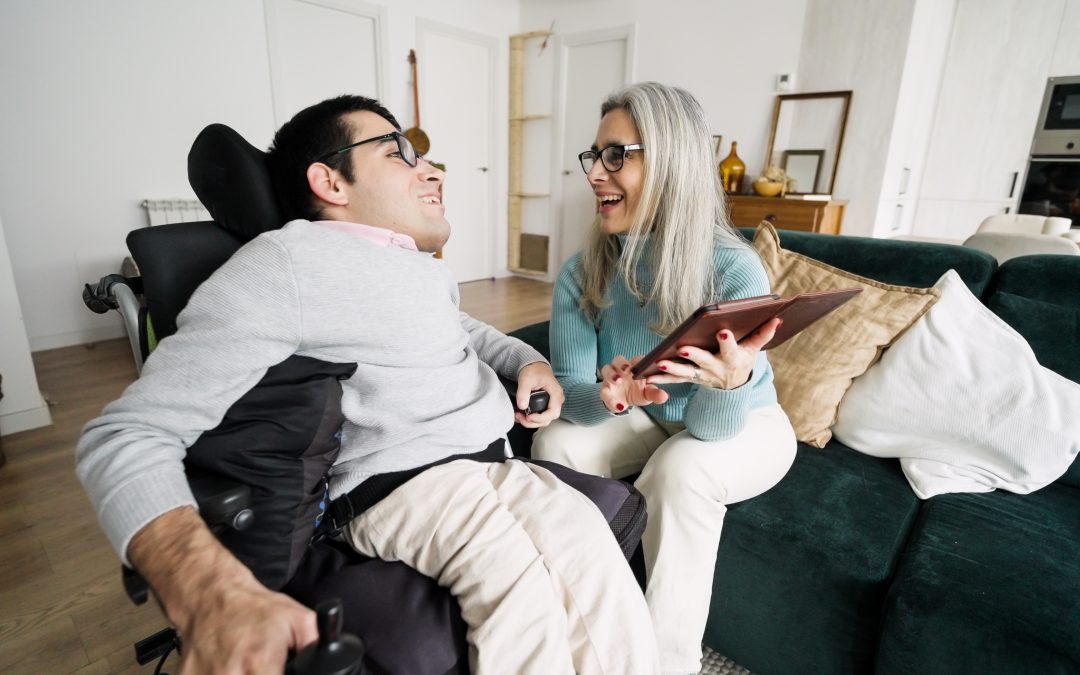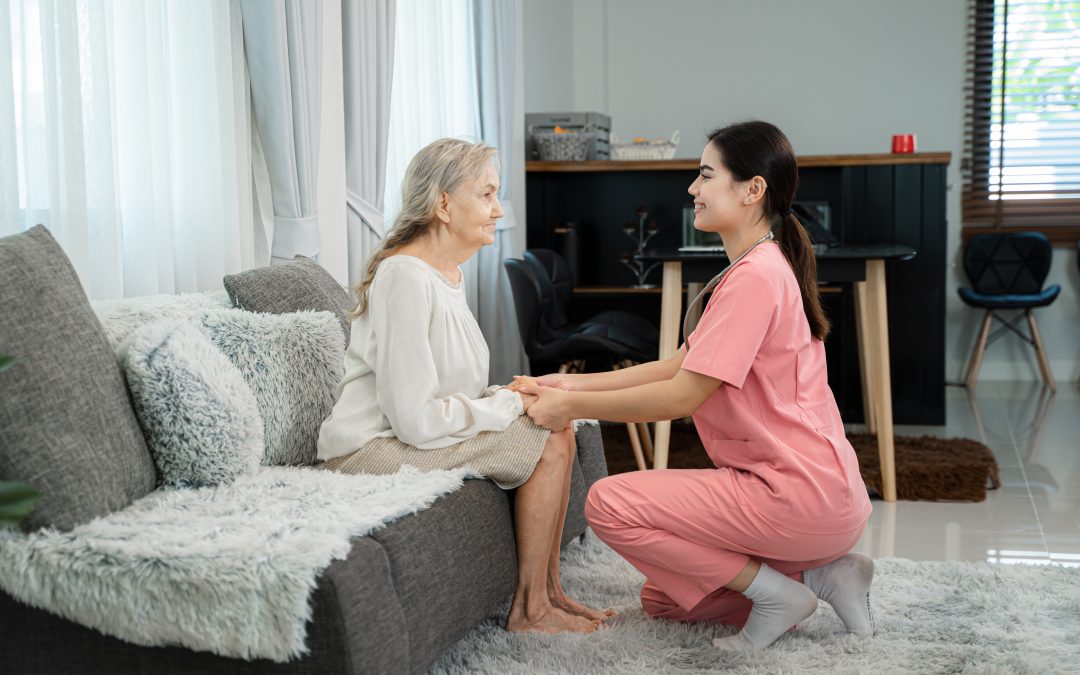
Watching your parents age while managing your own family and career creates an emotional tug-of-war that millions of adult children face daily. You want to provide the best possible care for your loved one, but the constant worry about their safety and well-being can consume your thoughts during work meetings, family dinners, and sleepless nights.
According to AARP, over 53 million Americans now provide unpaid care to adult relatives, often at considerable physical and emotional cost.
The solution isn’t choosing between your parents’ needs and your family’s well-being. Professional home care services create a bridge that supports both, allowing seniors to maintain their independence while giving families the peace of mind they desperately need.
Understanding the Family Caregiving Challenge
Family caregiving affects multiple generations and touches nearly every aspect of daily life. Recognizing these challenges helps you understand when support might be beneficial for everyone involved.
The Reality of Family Caregiving
Many adult children find themselves in the sandwich generation, caring for aging parents while still supporting their children. This dual responsibility can strain your relationships, finances, and personal health. Your work schedules become complicated when medical appointments and caregiving needs arise unexpectedly.
Geographic distance adds another layer of complexity. If you live in a different city from your parent, you worry constantly about their safety and well-being. Frequent travel for visits or emergencies becomes expensive and disruptive to your family’s routines.
Even when you live nearby, the emotional weight of watching your loved one age can be overwhelming. You may feel unprepared to handle medical situations, mobility challenges, or cognitive changes.
Impact on Family Relationships
Caregiving stress can affect your family relationships in unexpected ways. Siblings may disagree about care decisions or feel that responsibilities are unequally shared. Your spouse often feels neglected as time and energy are redirected toward aging parents.
Your children may struggle to understand why grandparents need more help or why you seem stressed and distracted. Family gatherings can become focused on care concerns rather than enjoying time together.
The senior receiving care may also experience guilt about needing help or worry about disrupting their family’s life. These feelings can lead to resistance to accepting support, even when it would benefit everyone.
How Home Care Benefits Seniors
Professional home care services are designed to support seniors in maintaining their independence while receiving personalized assistance that enhances their quality of life and safety at home.
Maintaining Independence and Dignity
Home care allows seniors to remain in familiar surroundings where they feel most comfortable and confident. Professional companions understand how to provide support while respecting personal preferences and routines. This approach helps seniors maintain control over their daily lives.
Companions adapt to each person’s unique needs and communication style. Some seniors prefer structured activities, while others enjoy flexible schedules. Professional caregivers learn these preferences and create supportive environments that honor individual choices.
The focus on companionship rather than clinical care helps seniors feel valued as individuals rather than patients. This approach supports emotional well-being and encourages continued engagement with life and personal interests.
Enhancing Safety and Well-being
Professional companions are trained to recognize potential safety concerns and respond appropriately. They can identify changes in mobility, mood, or cognitive function that might require family attention or medical consultation.
Having regular companion visits provides structure and social interaction that supports both physical and mental health. Companions encourage healthy routines like regular meals, light exercise, and medication reminders when appropriate.
Research from the National Institute on Aging confirms that social connection significantly impacts both physical and mental health outcomes for older adults, reducing risks of depression and cognitive decline.
How Home Care Supports Your Family
Professional home care services provide practical and emotional benefits that help you maintain your well-being while ensuring your loved one receives excellent care.
Reducing Your Caregiver Stress and Burden
Professional companions handle daily care needs, allowing you to focus on your relationship with your loved one rather than constantly worrying about practical concerns. This shift from caregiver to family member can significantly improve the quality of your visits and interactions.
You can return to normal work schedules without constant worry about your parents’ safety and well-being. This stability benefits your career advancement and financial security while reducing workplace stress.
Family caregivers report better sleep and reduced anxiety when they know professional support is available. This improved well-being allows you to be more present and engaged during family time.
Improving Your Family Relationships
When practical caregiving needs are met by professionals, your family visits can focus on enjoyment and connection rather than tasks and concerns. Your conversations become more natural and meaningful when they are not dominated by care-related discussions.
Siblings can share the emotional aspects of supporting your parents without arguing about who should handle daily responsibilities. Professional care provides a neutral solution that reduces family conflict over care decisions.
Your children can enjoy more relaxed relationships with their grandparents when visits are not overshadowed by care concerns or family stress. This benefits multiple generations and strengthens family bonds.
Providing You Peace of Mind
Knowing that a trained professional is regularly checking on your loved one provides immense comfort. This peace of mind allows you to travel for work or pleasure without constant worry.
Professional companions provide regular communication about your loved one’s well-being, activities, and any changes that might need attention. This ongoing information helps you feel connected and informed even when you cannot be physically present.
Building Strong Communication Between All Parties
Successful home care relationships depend on open communication between seniors, family members, and professional companions. This collaboration ensures that everyone’s needs and preferences are understood and respected.
Creating Care Plans Together
The best home care arrangements involve input from both you and your senior family member. Professional services should take time to understand personal preferences, family situations, and specific concerns before creating care plans.
Regular family meetings help ensure that care plans continue to meet everyone’s needs as circumstances change. These discussions allow for adjustments in scheduling, activities, or support levels based on your feedback.
Maintaining Your Family Involvement
Professional home care should enhance rather than replace your family relationships. Companions encourage regular family communication and help facilitate meaningful interactions during your visits and phone calls.
You remain the primary decision-maker regarding your loved one’s care and lifestyle choices. Professional companions support your decisions while providing expert guidance when you request it.
Financial and Practical Considerations
Understanding the costs and benefits of professional home care helps you make informed decisions about support options that work within your budget and circumstances.
Professional home care often costs significantly less than residential care options while providing personalized attention and allowing seniors to remain in their own homes. This financial advantage appeals to families concerned about long-term care expenses. If you can return to full-time work, you may find that your increased earnings offset much of the cost of professional care. Reducing caregiver stress can prevent health problems that might result in medical expenses.
Supporting Your Entire Family Journey
Professional home care creates lasting positive outcomes for seniors and their families. When the right support is in place, families often discover that their relationships become stronger and more meaningful than before.
At Cherished Companions, we understand that every family’s situation is unique. Our approach focuses on creating care relationships that support seniors’ independence while giving families the peace of mind they need to maintain their well-being.
Reach out today to discover how our in-home care services in Cleveland and in-home care services in Chagrin Falls can support your loved one—and your entire family.
Disclaimer: The content in this blog is for informational purposes only and is not a substitute for professional medical advice, diagnosis, or treatment. Always consult your physician or other qualified healthcare provider with any questions you may have regarding a medical condition.