Winter arrives with shorter days and colder temperatures that make staying inside feel like the only option. For older adults, this seasonal shift can quietly lead to isolation. What starts as skipping a weekly coffee meetup or missing a community event can snowball into weeks of limited social contact and reduced physical activity.
The impact goes beyond just feeling lonely. Physical inactivity during the winter months affects both mental and physical health. When social connections fade and daily movement decreases, older adults face real risks to their overall well-being.
The good news is that winter does not have to mean withdrawal from social life and activities. With planning and the right support, older adults can stay connected, engaged, and active throughout the coldest months of the year.
Why Winter Isolation Happens So Easily
Cold weather creates real barriers for older adults. Icy sidewalks and driveways increase fall risk. Snow makes getting to the car difficult or impossible. Shorter daylight hours mean less time for safe outings.
Transportation challenges multiply during winter. Driving in snow or ice feels dangerous. Public transit stops require waiting in the cold. Even walking to a neighbor’s house becomes treacherous when paths are not cleared properly. Health concerns add another layer of worry. Respiratory illnesses spread more easily indoors during winter. Older adults with arthritis feel increased joint pain in cold weather.
The Health Impact of Winter Isolation
Social withdrawal during winter affects health in measurable ways. According to research from the National Institute on Aging, social isolation and loneliness in older adults are recognized concerns that can affect well-being and quality of life.
Emotional health can shift during the winter months, especially when social contact decreases. Physical changes can also occur as activity levels drop. Reduced activity leads to muscle weakness, decreased balance, and a higher fall risk. Appetite often decreases when eating alone regularly.
Creating Indoor Social Opportunities
You do not need elaborate plans to maintain social connections during winter. Simple, regular interactions make the biggest difference. Phone calls with family members or friends provide emotional support and help older adults feel remembered and valued.
Video calls add a visual element that strengthens the connection. Seeing faces and expressions makes conversations feel more personal. Hosting small gatherings at home works well during winter. Inviting one or two friends over for lunch or coffee provides social contact without the stress of traveling.
Staying Physically Active Indoors
Staying active indoors does not require a gym membership or special equipment. Simple movements done regularly maintain strength, balance, and flexibility. Chair exercises work well for older adults with mobility limitations. Stretching routines can be done while watching television.
Walking indoors counts too. Walking through the house, up and down hallways, or around the main floor keeps the body moving. Indoor hobbies that involve movement serve double duty. Gentle dancing to favorite songs provides both exercise and enjoyment.
Building a Winter Social Schedule
Structure helps prevent isolation from taking hold. Creating a weekly schedule with planned social activities gives older adults something to look forward to and helps maintain routine.
Designate specific days for phone calls with different family members or friends. Knowing that Tuesday means calling your sister and Thursday means talking to your longtime friend creates anticipation and ensures regular contact. Plan indoor activities for specific times each week. Monday might be puzzle day. Wednesday could be for reading club discussions over the phone with friends.
How Professional Companionship Supports Winter Well-Being
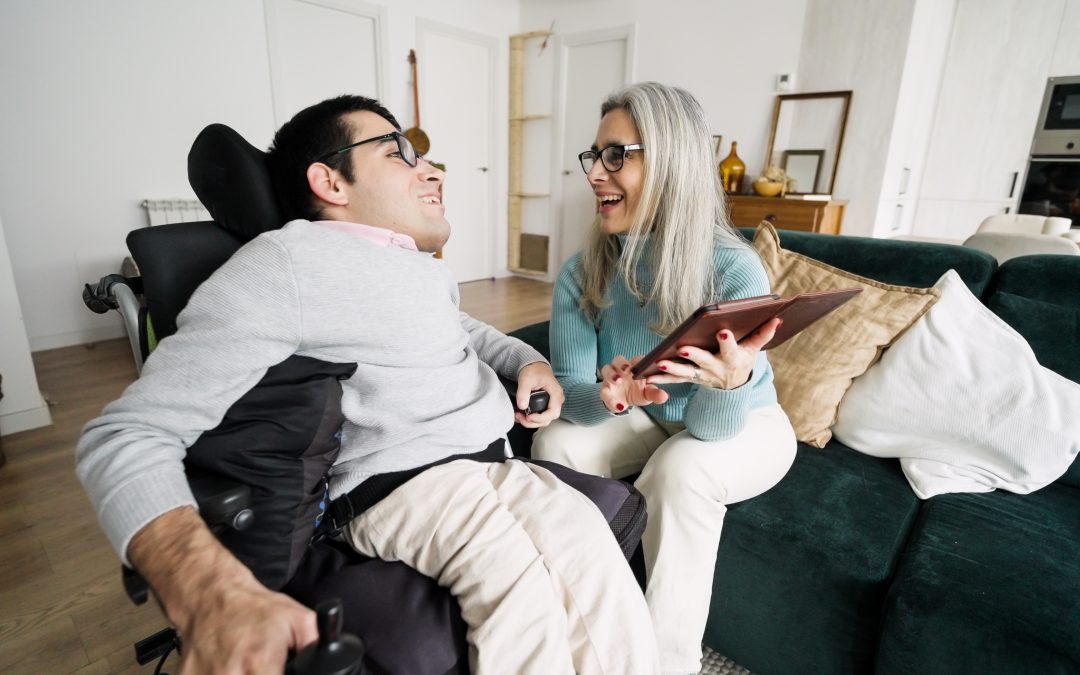
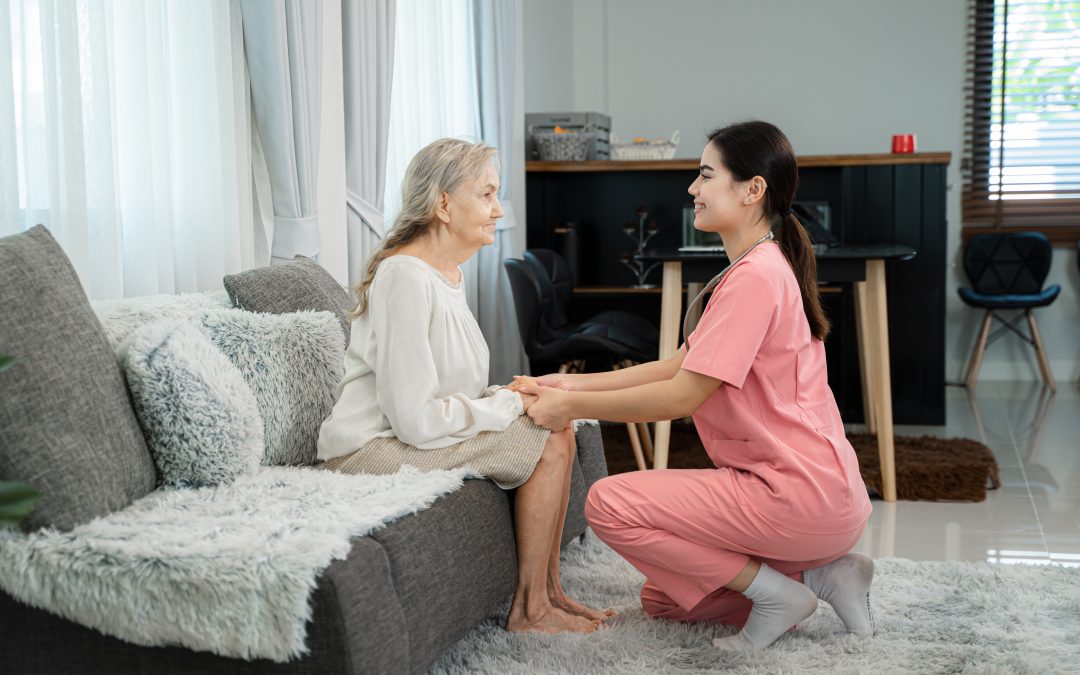
Professional companions provide consistent social interaction that does not depend on weather conditions or family availability. They arrive as scheduled, bringing conversation, engagement, and genuine connection into the home.
Companions can facilitate social activities that older adults might skip when alone. They encourage participation in hobbies, help coordinate video calls with family, and bring fresh perspectives into daily life. The reliability matters especially during winter. Family members cannot always visit when roads are bad. Professional companions show up consistently, providing the social contact and activity that supports both mental and physical health.
Staying Connected With Community
Community connection can continue even when leaving home feels difficult. Many libraries offer phone services where staff will read to homebound individuals or discuss books. Religious organizations often provide phone prayer groups or recorded services.
Local senior centers frequently have call-in programs for games, discussions, or educational sessions. These group activities allow older adults to interact with multiple people without traveling. Volunteer opportunities exist for homebound seniors, too. Making phone calls for charitable organizations or writing letters allows older adults to contribute meaningfully while staying safely indoors.
Supporting Safe Outdoor Time When Possible
Fresh air and sunlight can be beneficial, even in winter. On milder days, brief outdoor time can offer a mood boost, a change of scenery, and support vitamin D levels.
Sitting on a covered porch or by a window with sun exposure counts as outdoor time. Bundling up for a five-minute walk to the mailbox provides movement and a change of scenery. Having support makes outdoor time more feasible. A companion can help navigate icy patches, carry items, or simply provide steadiness and confidence.
Recognizing When Additional Support Is Needed
Watch for signs that isolation is affecting well-being. Changes in personal care habits, decreased interest in activities once enjoyed, or expressing feelings of loneliness frequently all suggest that more support might help.
Physical changes matter too. Noticeable weight loss, increased difficulty with mobility, or appearing confused can indicate that isolation is taking a toll. Do not wait until spring to address winter isolation. Increasing social support and structure earlier can help address concerns before they grow.
When Winter Becomes a Season for Connection
Winter does not have to mean loneliness or declining health for older adults. With intentional effort to maintain social connection and physical activity, these months can still include engagement, purpose, and joy.
The difference often comes down to having reliable support. Consistent presence, gentle encouragement, and regular connection can help turn winter from a season of isolation into one filled with meaningful moments.
At Cherished Companions, we understand that winter presents unique challenges for older adults and their families. Our professional companions provide the consistent social interaction and activity support that helps seniors stay engaged, active, and connected throughout the coldest months.
Contact us today to learn how our in-home care services in Cleveland and in-home care services in Chagrin Falls can help your loved one thrive this winter.
Disclaimer: The content in this blog is for informational purposes only and is not a substitute for professional medical advice, diagnosis, or treatment. Always seek the advice of your physician or other qualified health provider with any questions you may have regarding a medical condition.