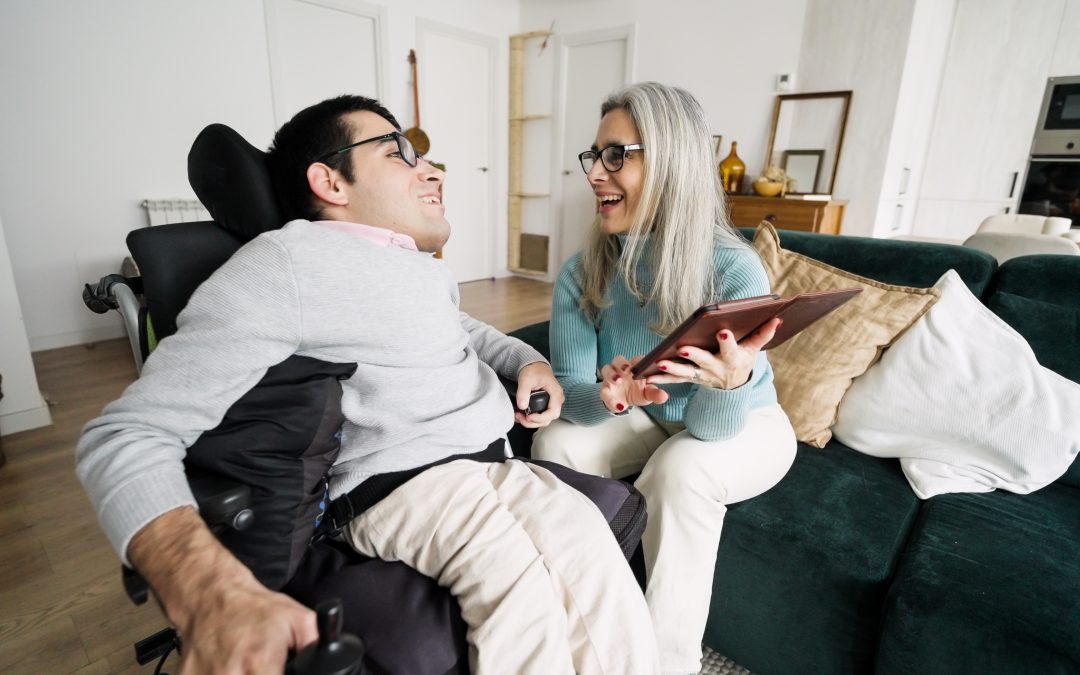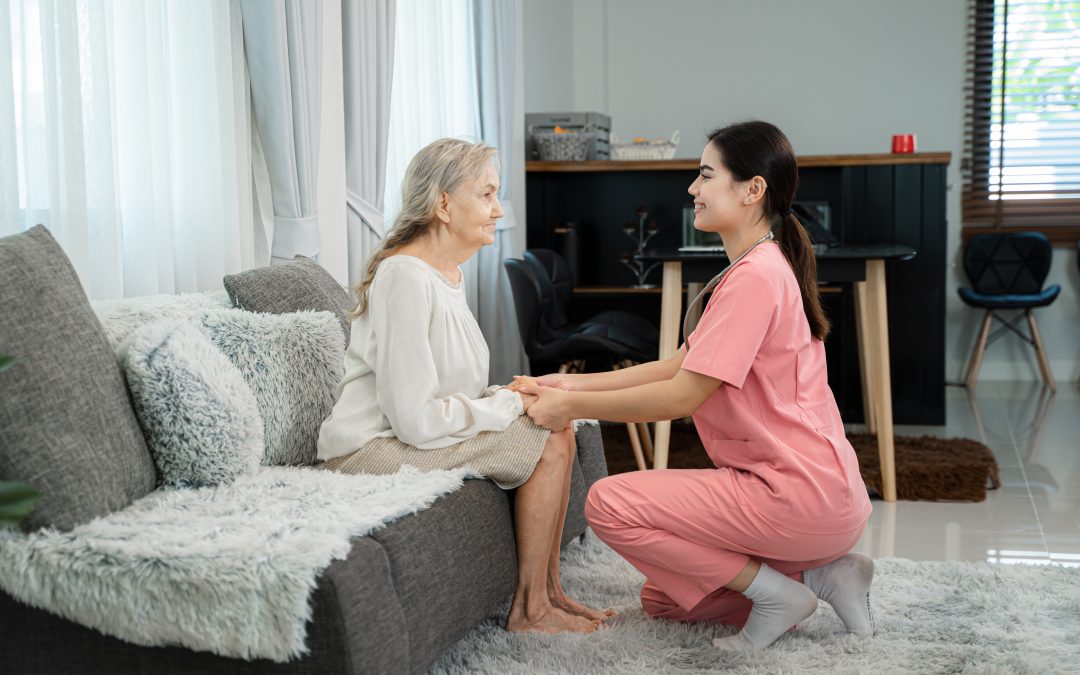
Connection matters at every age, but it becomes even more important as we grow older. For many seniors, natural life changes—like retirement, the loss of close friends or a spouse, or changes in health—can quietly shift daily routines and reduce social interaction. Over time, this can lead to feelings of loneliness that affect both emotional well-being and overall health.
In fact, research shows that isolation is more common than many people realize. It affects over a third of adults aged 45 and older and becomes even more likely after age 65. Studies also suggest that chronic loneliness can impact health as seriously as smoking multiple cigarettes a day, affecting sleep, immune function, and more.
That’s why companionship—genuine, meaningful social connection—is so powerful. A little extra support and consistent interaction can go a long way in helping older adults stay engaged, connected, and emotionally well.
Understanding Senior Isolation and Its Impact
Isolation often builds slowly over time. Retirement may reduce daily social interaction, and health changes can make it harder to get out, keep up with hobbies, or stay connected with others. The loss of a spouse or close friends can leave noticeable gaps in a loved one’s social circle, and even small barriers—like hearing loss or difficulty with technology—can add up.
Family members are often the first to notice. Your loved one might stop attending gatherings, seem less engaged on the phone, or lose interest in things they used to enjoy. Changes in sleep, appetite, or personal care may also signal that something deeper is going on.
When families notice these signs early, they can respond with care and connection before loneliness takes a stronger hold.
The Power of Meaningful Companionship
True companionship isn’t just about having someone nearby. It’s about feeling connected, like sharing stories, enjoying familiar routines, and spending time with someone who genuinely cares.
At its best, companionship builds on trust and shared understanding. A good companion takes time to learn your loved one’s routines, preferences, and interests. Whether it’s preparing a favorite meal together, taking a short walk, or reminiscing over old photos, it’s these simple moments that help an older adult feel more engaged and less alone.
Consistent, meaningful interaction provides comfort and emotional well-being in ways that go far beyond completing a checklist of tasks. It helps create a rhythm of life that feels familiar, connected, and supported.
Creating Engaging Social Connections
At Cherished Companions, we believe companionship is built on shared moments that feel natural and meaningful. It’s the comfort of familiar routines, lighthearted activities, and thoughtful connection that help your loved one stay engaged with the world around them.
Finding Joy in Everyday Moments
Some of the most lasting connections grow from simple, shared interests. Whether it’s preparing a favorite family recipe, caring for houseplants, listening to music, or completing a puzzle together, companionship is about enjoying life’s small pleasures.
These moments do more than pass the time. Regular social connection supports emotional well-being and helps reduce the risks associated with isolation as we age.
Supporting Connection Beyond the Home
Our companions can also provide encouragement and support for staying connected to the broader community. From trips to the local library or farmers’ market to attending church or a neighborhood event, having someone there makes these outings more enjoyable and accessible.
At Cherished Companions, our goal is to help each client continue doing the things they love—on their own terms, with the care and connection they deserve.
Emotional and Mental Well-Being Matter
The right kind of companionship can do more than brighten someone’s day. It can provide emotional steadiness, meaningful connection, and a renewed sense of purpose. For many older adults, having a consistent, caring presence nearby helps ease worry, reduce stress, and offer space to be themselves.
Listening, Encouraging, and Being Present
When someone truly listens, it makes a difference. Companions create a safe space to share memories, voice concerns, or simply reflect on the day. These conversations, big or small, build trust and remind older adults that they are seen, valued, and heard.
Companions also help celebrate the moments that matter. Whether it’s a shared laugh, a personal milestone, or a story told for the tenth time, they’re there to encourage and affirm.
Keeping the Mind Engaged
Mental stimulation doesn’t have to be complicated. A good companion meets each person where they are—through conversation, puzzles, storytelling, music, or other simple, familiar activities.
It might look like discussing the day’s news, flipping through a favorite book, or revisiting a fun hobby. These moments help keep the mind active, support memory, and reinforce a sense of identity.
Professional Companionship That Feels Personal
Professional companionship offers more than just company. It provides consistent, thoughtful social support tailored to your loved one’s needs and preferences. It’s designed to reduce isolation while honoring independence and encouraging meaningful engagement.
What Companions Can Offer
Trained companions know how to build real connection. They show up with kindness, consistency, and genuine interest—ready to listen, share stories, enjoy favorite activities, or simply offer steady presence.
Support might include light meal prep, conversation, transportation to community events, or encouragement to stay in touch with family and friends. The focus is always on emotional well-being, not medical care, making each visit feel more like time spent with a trusted friend.
A Thoughtful Match Makes All the Difference
Every individual is different, and a strong companionship match takes that into account. The most trusted services take time to get to know your loved one’s personality, communication style, and interests before making introductions.
At Cherished Companions, this match is never rushed. Initial meetings allow both your loved one and the companion to connect naturally and decide if it feels like a good fit. And if it doesn’t? We’ll try again. Because real comfort and real connection can’t be forced.
Building Lasting Connections That Matter
Preventing senior isolation starts with understanding that every person has unique social needs and comfort levels. Some older adults thrive with frequent, lively interaction. Others prefer quiet companionship built on shared routines and thoughtful conversation. What matters most is finding the right rhythm and the right kind of connection.
Meaningful companionship isn’t something that can be forced. It develops naturally when someone feels respected, valued, and genuinely cared for. Over time, what begins as scheduled support often becomes a trusted bond—something that brings joy, not just relief.
When seniors feel truly seen and appreciated, they’re more likely to stay engaged, nurture their interests, and strengthen ties with the people and communities around them. Companionship helps make that possible. It creates space for connection while supporting independence.
At Cherished Companions, our trained companions understand the importance of both consistency and compassion. We focus on building real relationships that reduce isolation and help each person feel more connected, day by day.
Contact us today to learn more about how our in-home care services in Cleveland and in-home care services in Chagrin Falls can help prevent isolation through meaningful companionship.
Disclaimer: The content in this blog is for informational purposes only and is not a substitute for professional medical advice, diagnosis, or treatment. Always seek the advice of your physician or other qualified health provider with any questions you may have regarding a medical condition.