Now that fall is fully here, many people notice subtle shifts in mood and energy. The days are shorter, the weather is cooler, and routines often change with the season. For older adults, these transitions can bring unique challenges that affect emotional well-being, especially when daylight hours decrease and social activities slow down.
The National Institute of Mental Health notes that seasonal changes can influence mood, particularly among older adults who may spend more time indoors or have limited mobility. Research from the American Psychological Association also highlights how maintaining social connections plays a vital role in supporting mental and emotional health throughout the year.
When families understand how the season can affect their loved ones, it becomes easier to see how companionship helps maintain balance, connection, and a positive outlook during the colder months.
Understanding Autumn’s Impact on Senior Well-Being
The shift from summer to autumn can bring changes that affect both mood and energy. For many older adults, this adjustment can quietly influence how they feel day to day.
How Seasonal Changes Affect Older Adults
During autumn and winter, sleep patterns and energy levels can shift. Spending more time indoors may also reduce exposure to sunlight and fresh air, which are important for maintaining a positive mood. Cooler temperatures can make joints feel stiffer and movement less comfortable, sometimes discouraging activity and routine social contact.
The Connection Between Isolation and Mood Changes
When outdoor gatherings and casual neighborhood interactions slow down, feelings of loneliness can increase. This reduction in social connection and physical movement can lead to what many call the “autumn blues.” It is a sense of low mood or motivation that becomes more noticeable as daylight ends sooner. For older adults, consistent companionship and engagement are key to keeping spirits high throughout the season.
The Power of Companionship During Seasonal Transitions
Meaningful human connection becomes even more valuable during seasonal transitions when natural mood boosters like sunshine and outdoor activities are less available. Understanding how companionship specifically supports well-being during autumn can help families recognize when additional social support might be beneficial.
Creating Steady Social Connection
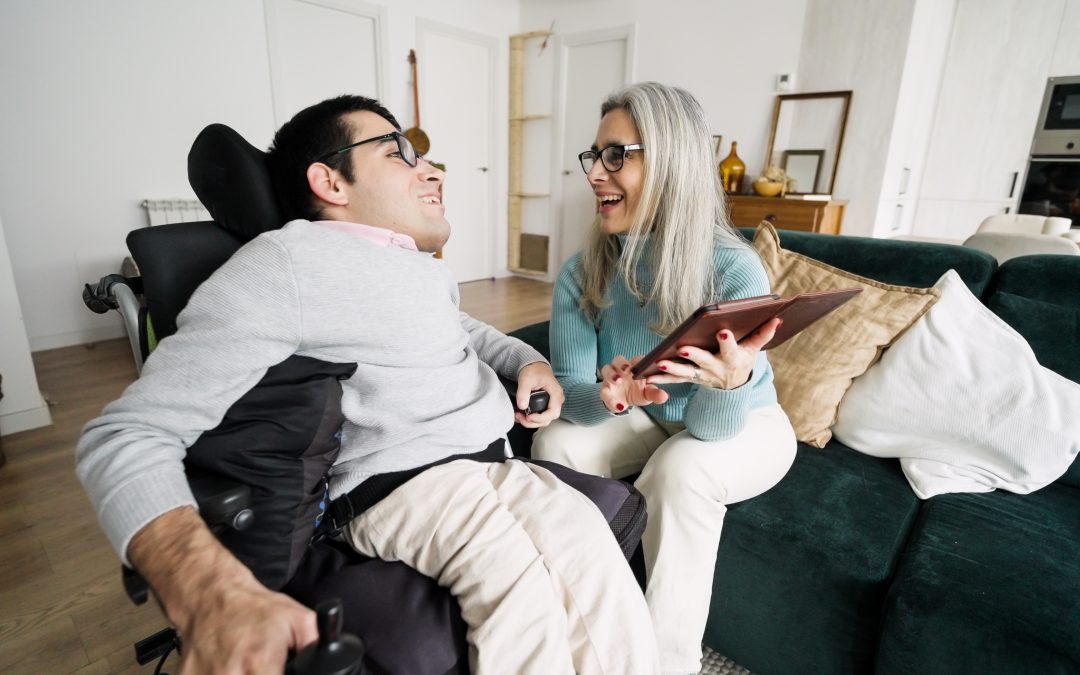
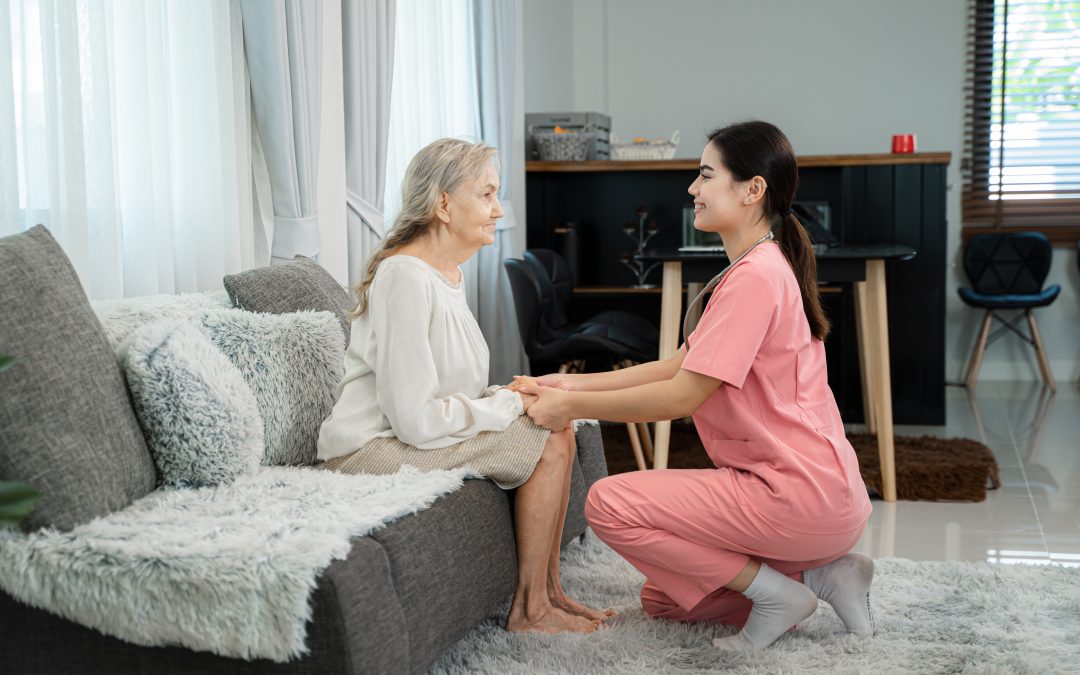
Regular companionship offers meaningful interaction that does not rely on weather or travel. A caregiver’s presence provides comfort and consistency through conversation, shared moments, and simple routines that give each week structure and something to look forward to.
This steady connection also offers emotional grounding. When someone listens with genuine interest and encourages small, enjoyable moments, older adults feel valued and supported. These relationships build confidence, ease loneliness, and create a sense of continuity throughout the season.
Enjoying Indoor Activities
As outdoor time decreases, caregivers can make home life more engaging. Cooking favorite recipes, reading together, or working on puzzles brings variety and joy to each day while keeping the mind active and the spirit bright.
Caregivers can also create cozy indoor settings that make cooler days more pleasant. Adjusting lighting, setting out warm blankets, or sharing tea and conversation can turn quiet afternoons into moments of comfort and connection, helping autumn feel like a season to enjoy rather than endure.
Practical Strategies for Autumn Well-Being
As days grow shorter and routines shift indoors, a few small adjustments can make a big difference in maintaining energy and mood. Thoughtful daily habits and a bit of support can help older adults stay comfortable, connected, and positive throughout the season.
Bringing in Light and Warmth
Natural light is one of the simplest ways to lift mood during the fall. Caregivers can help make the most of daylight by encouraging time near sunny windows, opening curtains fully, or arranging favorite activities in bright spaces. Even a few minutes outdoors when the weather allows can provide a welcome boost of light and fresh air.
Inside, comfort matters just as much. Creating warm, inviting spaces helps make cooler days more enjoyable. Adjusting lighting, organizing cozy seating areas, and preparing warm drinks can turn quiet afternoons into opportunities for calm and connection. Adding small seasonal touches like soft blankets or a vase of autumn leaves helps keep the home feeling lively and welcoming.
Staying Connected Indoors
As weather limits outdoor gatherings, staying socially active requires a little creativity. Caregivers can help coordinate calls or video chats with family, organize game nights, or plan shared activities that bring conversation and laughter into the day. Even a simple routine like reading together or cooking a favorite meal can strengthen bonds and brighten the week.
Maintaining regular social contact helps prevent the isolation that sometimes comes with colder months. Having someone to talk with, share stories, or enjoy quiet company supports emotional balance and gives each day a sense of purpose. These steady connections help ensure that autumn remains a season of warmth and companionship.
Addressing Common Autumn Challenges
Older adults experience each season differently. Some may notice changes in energy, while others find the weather or shorter days affect motivation. Caregivers can help by adjusting routines, offering encouragement, and creating an environment that supports both comfort and confidence.
Managing Energy and Mood
Seasonal changes can influence how active or alert someone feels during the day. Caregivers can help shape routines that follow natural rhythms, scheduling favorite activities or light movement during higher-energy times and quieter tasks when rest feels needed. This balance keeps each day purposeful while preventing fatigue or frustration.
Attentive caregivers also notice when moods shift and respond with understanding. Whether through gentle conversation, a shared activity, or quiet presence, that awareness helps older adults feel supported and seen. Even small, thoughtful adjustments can restore a sense of calm and lift overall well-being.
Staying Comfortable Through the Weather
Cooler temperatures and unpredictable weather can make travel or errands more difficult. Reliable in-home support ensures that seniors can maintain routines without worry. From preparing meals to organizing comfortable indoor spaces, caregivers help daily life stay consistent no matter the forecast.
Preparation also makes a difference. Checking heating systems, setting out warm clothing, and creating cozy corners for reading or conversation help reduce stress about the cold. With this kind of steady support, staying indoors can feel less like a limitation and more like an opportunity for rest, connection, and simple pleasures.
Building Resilience Through Connection
Strong companionship relationships help seniors develop emotional resilience that supports well-being not just during autumn but throughout all seasonal transitions and life changes.
Creating Positive Daily Routines
Caregivers can help establish, support, and maintain daily routines that provide structure and purpose regardless of external conditions. These routines create predictability that supports emotional stability and ensures that each day includes activities that promote well-being.
Routines might include morning conversations over coffee, afternoon activities like reading or crafts, or evening reflections on the day’s positive moments. The specific activities matter less than the consistency and social connection they provide.
Having established routines also makes it easier to notice when mood or energy changes, allowing for appropriate adjustments and support when needed.
Encouraging Gratitude and Positive Focus
Skilled companions naturally encourage focus on positive aspects of daily life and seasonal changes. This might involve noticing beautiful autumn colors, appreciating cozy indoor moments, or celebrating small accomplishments and enjoyable experiences.
This positive focus isn’t about ignoring difficulties but rather about maintaining perspective and recognizing the good things that exist alongside challenges. Companions help seniors develop this balanced outlook through their consistent encouragement and optimistic presence.
Gratitude practices, whether formal or informal, can be integrated naturally into companion relationships through conversations about positive experiences, meaningful memories, or things that bring joy and comfort.
When Companionship Makes All the Difference
The autumn months don’t have to mean isolation, low mood, or decreased quality of life for seniors. With the right social support and companionship, this season can become a time of cozy comfort, meaningful connection, and continued engagement with life and personal interests.
Professional companionship and caregiving services understand how to adapt their support to meet the unique challenges that autumn brings while maintaining focus on independence, dignity, and personal choice. The goal is not managing seasonal difficulties but rather helping seniors thrive during this beautiful time of year.
At Cherished Companions, our trained caregivers understand that every person experiences the season differently. We adapt our care to meet individual needs, offering comfort, consistency, and genuine companionship that helps seniors feel supported and engaged.
Contact us today to learn more about how our in-home care services in Cleveland and in-home care services in Chagrin Falls can help your loved one enjoy the autumn season with the companionship and support that makes all the difference.
Disclaimer: The content in this blog is for informational purposes only and is not a substitute for professional medical advice, diagnosis, or treatment. Always seek the advice of your physician or other qualified health provider with any questions you may have regarding a medical condition.