What Does Personal Care Include for Older Adults at Home?
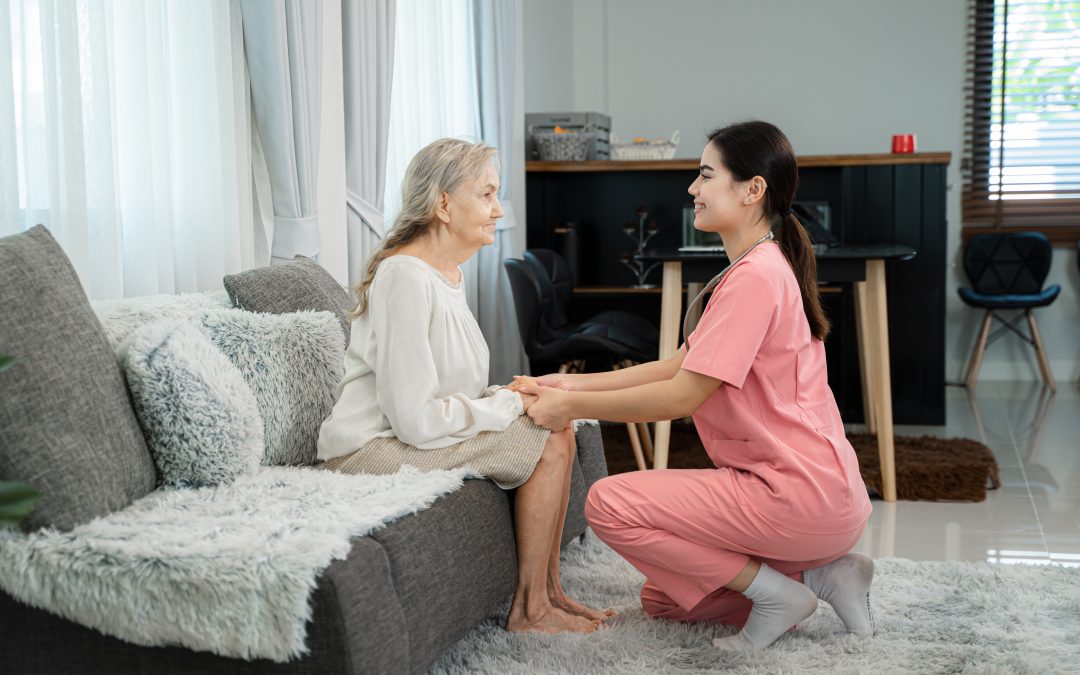
Personal care includes assistance with activities of daily living such as bathing, dressing, grooming, toileting, and mobility support. These services are non-medical and focus on helping seniors maintain their routines, dignity, and comfort at home. A caregiver provides hands-on support tailored to each individual's needs, whether that means helping with buttons and zippers, selecting weather-appropriate clothing, or simply offering encouragement and companionship during the morning routine.
Many older adults find that tasks once done without thought become more challenging over time. Arthritis may make fastening buttons difficult. Balance issues can make standing while dressing feel unsafe. Memory changes may lead to confusion about which clothes are clean or appropriate for the season. Personal care services address these practical challenges while respecting your loved one's preferences and autonomy.
How Do Caregivers Assist with Morning Routines?
Caregivers provide gentle, respectful assistance that adapts to your parent's level of need. Some seniors require only minimal prompting or help with specific tasks, while others benefit from more comprehensive support throughout their morning routine. A caregiver might lay out clothing choices, assist with putting on garments, help with footwear, and ensure everything is fastened properly and comfortably. The goal is to support independence wherever possible while stepping in when safety or comfort requires it.
The morning routine often extends beyond dressing. Caregivers may also help with grooming tasks such as brushing hair, shaving, or applying lotion. They can assist with mobility as your parent moves from the bedroom to the bathroom or breakfast table. This consistent support helps establish a predictable, reassuring start to each day.
Caregivers trained in personal care understand the importance of patience, consistency, and communication. They work at your parent's pace, offer choices when possible, and maintain a calm, encouraging presence that helps reduce anxiety or frustration.
Is Help with Dressing Considered Personal Care or Medical Care?
Help with dressing is considered personal care, not medical care. Personal care focuses on assistance with daily living activities and does not involve tasks that require clinical training, such as administering medications, wound care, or physical therapy. According to the National Institute on Aging, personal care services support older adults in maintaining their independence and quality of life at home through non-medical assistance with routines and tasks.
This distinction matters because it clarifies what caregivers can and cannot do. A personal care aide can help your parent select appropriate clothing, assist with putting on a shirt or pants, and ensure shoes are tied securely. They cannot perform medical assessments, change surgical dressings, or administer injections. If your parent requires medical care in addition to personal care, a care coordinator can help determine what combination of services may be appropriate.
When Help with Dressing Becomes Necessary
Changes in mobility, strength, or cognitive function often signal that extra support may be helpful. You might notice your parent wearing the same clothes multiple days in a row, struggling with buttons or zippers, or choosing clothing inappropriate for the weather. These signs do not necessarily indicate a crisis, but they do suggest that a little assistance could improve comfort, safety, and confidence.
Some families hesitate to bring in help because they worry about how their loved one will respond. Resistance to assistance is common, especially when someone values their independence. Introducing a caregiver with patience and clear communication can help ease this transition. Many seniors feel more comfortable once they realize the caregiver is there to support their preferences, not take over.
What to Expect from In-Home Personal Care in Cleveland
In-home personal care services in Cleveland and throughout Northeast Ohio are designed to meet your family where you are. Care can be arranged on a schedule that works for your household, whether that means a caregiver arriving every morning, a few days a week, or as needed. Flexibility is an important part of making care sustainable for both your parent and your family.
Personal care may also include help with other daily routines such as meal preparation, light housekeeping, medication reminders, and transportation. Understanding how personal care supports seniors and families can help you identify which services will be most helpful as your parent's needs change.
Caregivers who provide personal care are trained to respect dignity, maintain safety, and build trust. They understand that entering someone's home and assisting with intimate tasks requires sensitivity, professionalism, and a genuine commitment to compassionate care.
Finding the Right Support for Your Parent
If you are wondering whether it is time to explore in-home care, trust what you are noticing. Small changes in hygiene, grooming, or daily routines often signal that some extra help could make a meaningful difference. Recognizing when a loved one needs support is not about taking away independence. It is about ensuring your parent remains safe, comfortable, and able to maintain the routines that matter most.
Choosing the right caregiver involves more than just finding someone available. You want a companion who will respect your parent's preferences, communicate clearly with your family, and provide consistent, reliable care. Choosing the right caregiver in Cleveland starts with understanding what kind of support your family needs and what qualities matter most to you.
Disclaimer: This content is for informational purposes only and is not a substitute for professional medical advice. Always consult a qualified healthcare provider with any questions regarding a medical condition.
If you are ready to explore how in-home personal care can support your parent's morning routine and daily independence, visit cherishedagency.com to learn more about compassionate care services in Cleveland and Northeast Ohio.
Frequently Asked Questions
Can a caregiver help my parent get dressed every morning?
Yes, a caregiver can provide daily assistance with dressing as part of non-medical personal care services. This support helps your parent start each day safely and comfortably while preserving dignity and independence.
What does personal care assistance with dressing include?
Personal care assistance with dressing may include helping your parent select appropriate clothing, putting on garments, fastening buttons or zippers, assisting with footwear, and ensuring everything fits comfortably and safely. The level of support is tailored to your parent's needs and preferences.
Is help with dressing considered a medical service?
No, help with dressing is considered personal care, not medical care. It does not require clinical training and focuses on assisting with daily living activities rather than medical treatment or procedures.
How do I know if my parent needs help getting dressed?
Signs may include wearing the same clothes repeatedly, struggling with buttons or zippers, choosing weather-inappropriate clothing, or difficulty maintaining balance while dressing. These changes often indicate that some assistance could improve safety and comfort.
Can caregivers help with other morning routines besides dressing?
Yes, caregivers can assist with grooming tasks such as brushing hair, shaving, and applying lotion. They can also help with mobility, meal preparation, and establishing a consistent morning routine that supports your parent's independence and well-being.