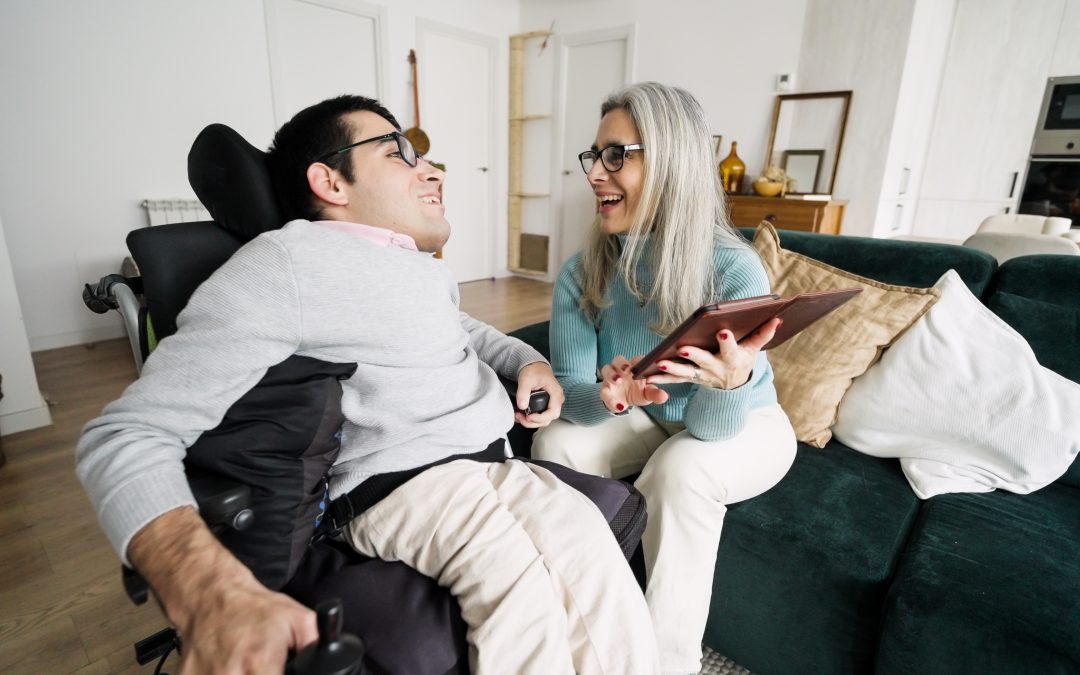
Companion care helps seniors stay safe, independent, and emotionally healthy by providing in-home support, non-medical support, such as companionship, transportation, social interaction, and help with daily tasks. It combats loneliness, keeps people from being alone, gives families peace of mind, and often keeps people from needing to go to a healthcare facility too soon.
That’s where companion care for seniors can make a meaningful difference. It doesn’t remove independence or take over routines. Instead, it helps soften those changes, making daily life feel steadier, more familiar, and more manageable.
Why Everyday Changes Can Feel Unsettling
As people age, change often becomes more frequent. It might involve adjusting to new medications, driving less often, managing a home differently, or simply feeling less confident with certain tasks.
Individually, these shifts may seem small. Together, they can affect how a person feels about their day. When routines are disrupted, it’s common for seniors to feel frustrated or unsure, even if they don’t express it directly.
For families providing help caring for aging parents, these moments can be difficult to navigate. You want to support your loved one, but you also want to respect their independence. Companion care offers a middle ground. It provides support without taking control, which can help seniors feel more comfortable adapting to change at their own pace.
Benefits of Companion Care
Peace of mind for families: Families feel better when they know someone they trust is caring for a loved one, especially if they live far away.
Transportation: They will help with different things like going to the store for groceries, doctors’ appointments, and the pharmacy for medicine.
Daily Living help (Non-Medical): Caregivers help with cooking, making meals, doing a little housework and remembering to take medications.
Safety & Physical Well-being: Seniors can stay in their homes longer because caregivers make them safer by monitoring them and reducing the risk of falls. They are encouraged to do light exercise like walking, environmental awareness, in bedrooms, hallways and bathrooms.
Social Engagement: Caregivers communicate, play games, and engage in physical activities with their clients, which helps them feel less lonely and depressed. This stimulation keeps the mind busy, which may lower the risk of getting dementia.
Familiar Routines Help Create Stability
When things begin to shift, familiarity becomes more important. Simple routines can act as anchors throughout the day, helping everything feel more predictable.
That might include having meals at consistent times, keeping a regular sleep schedule, or planning small activities during the week. These routines don’t need to be rigid. They just need to be present.
Consistent visits can help seniors maintain confidence and independence by reinforcing daily rhythms. When someone knows what to expect from their day, it often feels easier to move through it. In-home companion services support these routines by adding gentle structure without making life feel overly scheduled.
Support That Adapts, Not Overwhelms
One of the biggest concerns seniors have about accepting help is losing control over their daily life. Companion care approaches support differently. Instead of stepping in and taking over, companions work alongside seniors. They offer help where it’s needed while allowing individuals to stay involved in their routines.
For example, instead of preparing every meal, a companion might help plan it, gather ingredients, or cook together. Instead of managing errands alone, they might provide transportation and support along the way. This kind of non-medical in-home care respects independence while still providing practical help. It makes changes feel less abrupt and more manageable.
Building Confidence Through Everyday Support
When everyday tasks start to feel more difficult, confidence can quietly take a hit. Seniors may begin to second-guess themselves or avoid certain activities altogether. Companion care services help rebuild that confidence by making tasks feel achievable again. With someone nearby, seniors are often more willing to stay engaged in their routines.
This kind of daily support for seniors can include:
- Help with errands and transportation
- Assistance with meal preparation
- Light housekeeping and organization
- Medication reminders
- Encouragement with hobbies and activities
- Conversation and companionship
These supports don’t just make tasks easier. They help seniors feel capable and involved in their own lives.
Change Feels Easier With Someone There
One of the most powerful parts of companion care is simply having someone present. Change often feels more manageable when it’s not experienced alone.
A companion provides reassurance during uncertain moments. Whether it’s adjusting to a new routine, trying something unfamiliar, or just navigating a slower day, having someone nearby can make a noticeable difference.
This is especially important for helping seniors living alone. Without regular interaction, even small changes can feel more significant. Companionship adds a sense of steadiness that helps balance those shifts.
Emotional Support Matters Just as Much
Not all changes are physical. Some are emotional. Seniors may feel frustrated about needing help, concerned about losing independence, or unsure about how their routines are evolving. Companions offer a space for conversation and understanding. They listen, engage, and provide encouragement without judgment.
According to the National Institute on Aging, staying socially connected supports emotional well-being and helps reduce feelings of loneliness as people age. Regular interaction can help seniors process change in a healthier way, rather than feeling isolated or overwhelmed.
Supporting Independence Through Transition
Many seniors want to continue aging in place, and companion care plays a key role in making that possible. By providing aging-in-place support, in-home caregivers help bridge the gap between full independence and more structured care.
This approach allows seniors to adjust gradually. Instead of facing a sudden shift in lifestyle, they receive steady support that evolves with their needs. That balance helps maintain independence for seniors while still ensuring that daily life remains safe and manageable.
Helping Families Feel More at Ease
Change doesn’t only affect seniors. It also affects families. Adult children and loved ones often worry about how their parent is handling new challenges, especially if they can’t be there every day.
Companion care provides reassurance. Knowing someone is present to offer support, observe changes, and provide regular interaction can ease that worry. This kind of support allows families to focus more on their relationship with their loved one, rather than feeling responsible for managing every detail.
A Steadier Way to Navigate Everyday Life
Change is a natural part of life, but it doesn’t have to feel overwhelming. With the right kind of support, seniors can continue to feel comfortable, confident, and connected at home. Companion care provides that support in a way that feels natural and respectful. It helps maintain routines, encourages independence, and offers reassurance during moments of uncertainty.
At Cherished Companions, we provide compassionate in-home companion care designed to support both seniors and their families. Our caregivers focus on building relationships, reinforcing routines, and helping daily life feel steady and manageable.
For families looking for trusted in-home care services in Cleveland and in-home care services in Chagrin Falls, companion care offers a thoughtful way to support a loved one through life’s everyday changes.
Disclaimer: This content is for informational purposes only and is not a substitute for professional medical advice. Always consult a qualified healthcare provider with any questions regarding a medical condition.