Daily routines often fade so gradually that it is easy not to notice at first. For older adults living alone, the familiar rhythm of the day can slowly unravel. Meals are skipped or pushed later and later. Medications are forgotten. Personal care feels harder to keep up with. Over time, days lose their structure and begin to blend together.
When routines slip, the impact goes beyond scheduling. Health, safety, and overall quality of life can suffer. Irregular meals affect nutrition. Missed medications can worsen existing conditions. A lack of daily structure can lead to increased confusion, low mood, or withdrawal. These changes often signal that living independently has become more challenging than it looks from the outside.
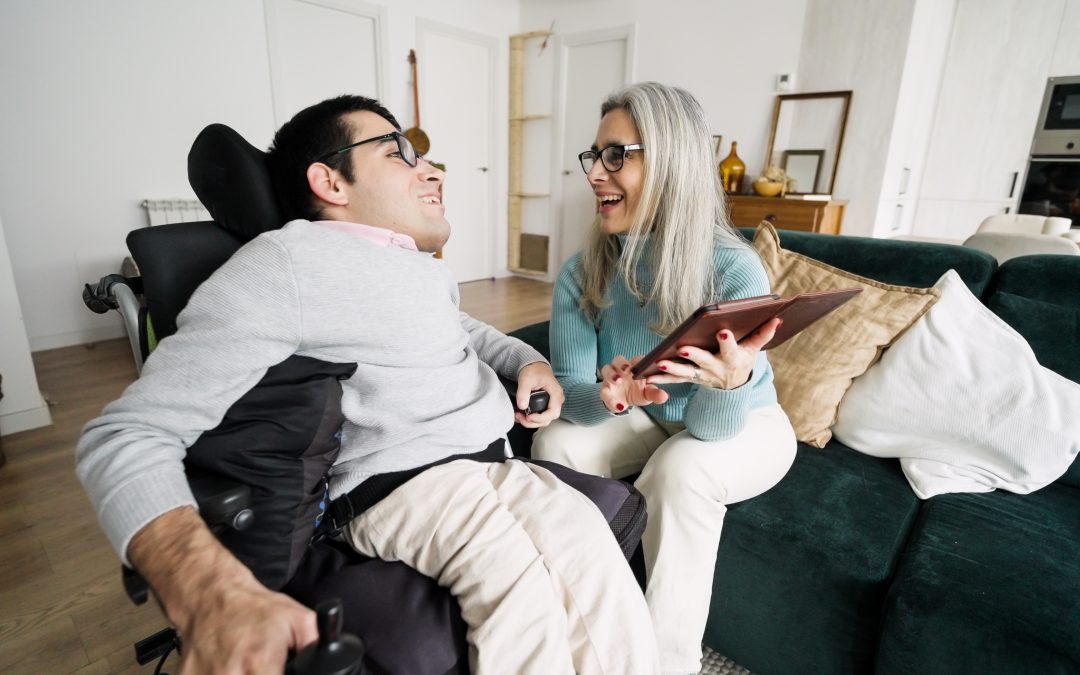
Professional in-home companions help bring that sense of rhythm back. Their steady presence supports daily routines while honoring personal preferences and independence. With gentle guidance and consistency, companions help older adults maintain the patterns that support health, safety, and meaningful engagement at home.
Why Daily Routines Matter for Senior Health
Predictable patterns support cognitive function, physical health, and emotional stability. The brain operates more efficiently when it can rely on established sequences rather than making constant decisions about basic activities. Research from the National Institute on Aging shows that maintaining regular routines can help support cognitive health as people age. Consistent sleep schedules regulate hormones. Regular mealtimes support metabolism and energy. Scheduled activities prevent the isolation that harms mental health. When routines disappear, health often declines. Irregular eating leads to poor nutrition. Inconsistent medication timing reduces effectiveness. Lack of structure allows isolation to deepen.
Supporting Morning Routines That Start Each Day Well
How the day begins often shapes everything that comes after it. For many older adults, mornings can feel slow, disorganized, or overwhelming when there is no clear routine. Having a companion arrive at a familiar time brings a natural sense of structure to the start of the day. Waking up feels more purposeful, sleep patterns become more regular, and energy levels tend to stabilize.
With supportive presence, morning care feels less rushed or daunting. Personal care like bathing, dressing, and grooming happens with encouragement and respect, helping seniors maintain dignity while staying consistent. Sharing breakfast or helping prepare a simple meal adds nourishment and connection, turning the start of the day into something steady and grounding rather than stressful.
Maintaining Medication and Health Management Routines
As health needs change, keeping track of medications and appointments can quickly become overwhelming. What once felt simple may turn into a complicated schedule with multiple prescriptions, different timing, and specific instructions. Having a caregiver involved adds reassurance and consistency to this part of daily life.
With regular support, medication routines are easier to follow and less stressful. Gentle reminders help ensure medications are taken as directed, while an extra set of eyes reduces the risk of missed or mixed-up doses. Companions and caregivers also tend to notice small changes, whether it’s increased fatigue, discomfort, or something that feels off, and can communicate those observations to family members or medical providers when needed. Support with scheduling and transportation makes it easier to keep up with appointments, removing common obstacles that can cause care to fall behind.
Creating Meaningful Days Through Activity and Connection
The middle of the day can feel especially long for seniors who spend most of their time alone. This is often when companionship and caregiving support make the biggest difference. Having someone present brings rhythm and purpose to the hours that might otherwise pass quietly.
Preparing meals together and sharing lunch adds structure to the day while creating an opportunity for connection. Cooking side by side keeps hands and minds engaged, and eating with someone turns a routine task into a social moment. Caregivers can also lend a hand with light household tasks like laundry, tidying, or dishes, helping the home feel comfortable and cared for without disrupting familiar routines.
Time spent on hobbies and interests helps prevent boredom and isolation. Whether it is reading together, working on puzzles, tending plants, or enjoying a favorite craft, companions take part in activities that bring enjoyment and a sense of normalcy. They can also help seniors stay connected with family and friends by setting up phone or video calls, offering support with technology, and making sure those conversations happen regularly. When seniors want to stay involved in the community, having someone alongside them for outings or activities makes participation feel possible and less overwhelming.
Supporting Evening Routines That Promote Rest
Evenings are an important transition from the busyness of the day to a sense of rest and closure. Having support during this time helps create calm, predictable routines that make it easier to unwind and settle in for the night. Preparing and sharing dinner brings comfort and consistency to the evening. Eating together helps prevent skipped meals and turns dinner into a relaxed, social moment rather than a task to get through alone. The familiar rhythm of cooking, eating, and tidying up signals that the day is winding down. Companions and caregivers can also assist with evening personal care, offering support with bathing, changing clothes, and preparing for bed in a way that preserves dignity and comfort. By helping create a quiet, soothing environment, they make it easier for seniors to feel secure and ready for restful sleep.
When Consistent Support Makes All the Difference
Daily routines provide the structure that supports health, safety, and quality of life for seniors living at home. Professional companions restore and maintain these patterns through consistent presence and thoughtful assistance. The reliability of scheduled support creates natural rhythms that organize each day. Meals happen at regular times. Medications are taken correctly. Personal care remains consistent. Social connection becomes dependable rather than sporadic. As health needs shift over time, companions adjust their support to match evolving requirements while maintaining beneficial patterns. This flexible approach preserves independence as long as possible while adapting how tasks get accomplished.
At Cherished Companions, we provide consistent in-home support that helps seniors maintain the daily routines essential for well-being. Our professional companions and caregivers work with older adults to establish patterns that support nutrition, medication management, personal care, social engagement, and more.
Contact us today to learn how our in-home care services in Cleveland and in-home care services in Chagrin Falls can help your loved one maintain health and independence through reliable daily support.
Disclaimer: The content in this blog is for informational purposes only and is not a substitute for professional medical advice, diagnosis, or treatment. Always seek the advice of your physician or other qualified health provider with any questions you may have regarding a medical condition.