The start of a new year often brings pressure to make sweeping lifestyle changes. Even a few weeks in, that expectation can linger. For older adults, grand resolutions about transformation and reinvention can feel overwhelming rather than motivating. The truth is that meaningful improvements to health and wellbeing rarely come from dramatic overhauls. They come from small, sustainable habits that fit naturally into daily life.
Building better routines does not require gym memberships, strict diets, or complete schedule restructuring. Simple adjustments to nutrition, movement, social connection, and mental engagement can create real benefits without stress or exhaustion. The key is choosing changes that feel manageable and worthwhile, then maintaining them long enough to become part of everyday life.
When older adults focus on practical, achievable habits rather than ambitious goals, they set themselves up for lasting success. The new year becomes an opportunity for gentle progress rather than another source of disappointment or pressure.
Why Small Habits Work Better Than Big Resolutions
Major lifestyle changes require sustained willpower and significant disruption to established routines. For older adults managing health conditions, medications, and daily care needs, adding complexity rarely succeeds. Small habits work because they require minimal effort to start and can be maintained even on difficult days.
Research shows that gradual behavior changes are more likely to stick than sudden, big shifts. Starting with one or two small adjustments allows the brain to adapt without triggering resistance. Once a habit becomes automatic, adding another becomes easier.
Creating Consistent Movement Routines
Exercise does not require special equipment or dedicated workout time. According to the Centers for Disease Control and Prevention, older adults benefit from regular physical activity that includes aerobic activity, muscle strengthening, and balance training to prevent falls.
Walking remains one of the most accessible forms of movement. A short walk after breakfast or before dinner creates a routine that becomes part of the day’s rhythm. Indoor walking works when the weather prevents outdoor activity. The distance matters less than consistency. Standing up and moving for two minutes every hour prevents stiffness and keeps circulation flowing. Chair exercises provide strength and flexibility benefits for those with mobility limitations.
Strengthening Social Connections
Social isolation affects health as much as physical inactivity or poor nutrition. Building connection habits protects mental and emotional well-being throughout the year. Scheduling one phone call or video chat per week with family or friends creates regular contact that both parties can anticipate. Choosing a specific day and time makes it easier to maintain. These conversations provide emotional support and help older adults feel remembered and valued. Joining one regular activity creates built-in social interaction. A weekly card game, book discussion group, or community center class provides structure and connection.
Supporting Mental Health and Cognitive Function
Mental well-being requires attention just like physical health. Simple daily practices support mood, reduce anxiety, and keep the mind engaged. Reading for fifteen minutes each day provides cognitive stimulation and stress relief. Whether fiction, news, or magazines, regular reading exercises the brain and offers enjoyment. Keeping reading material easily accessible makes this habit simple to maintain. Engaging in one enjoyable activity daily supports emotional health. This might be working on a puzzle, listening to music, tending houseplants, or watching a favorite show.
Improving Sleep Quality
Sleep problems become more common with age, but are not inevitable. Small adjustments to sleep habits can lead to better rest and improved daytime energy. Going to bed at the same time each night helps regulate the body’s internal clock. Consistency matters more than the specific time chosen. This routine signals the body when to prepare for sleep. Limiting screen time for one hour before bed reduces blue light exposure that interferes with sleep hormones. Keeping the bedroom cool and dark creates better sleep conditions.
Maintaining Safety at Home
Fall prevention and home safety become increasingly important as balance and vision change. Simple habits reduce risk without major home modifications. Turning on lights before moving through the house prevents trips and falls. Keeping a flashlight or lamp within reach of the bed ensures safe nighttime bathroom trips. These small precautions become automatic with practice. Wearing supportive footwear indoors provides better traction than socks alone. Clearing walkways of clutter, cords, and throw rugs eliminates tripping hazards.
Tracking Progress Without Pressure
Monitoring new habits helps maintain them without creating stress. Simple tracking methods work better than complicated systems. Marking a calendar when completing a habit provides visual confirmation of consistency. Seeing several days in a row marked creates motivation to continue. Sharing progress with family or friends adds gentle accountability. A weekly check-in call where you mention maintaining your new habits often provides enough external motivation to keep going.
When Professional Support Helps Maintain Healthy Habits
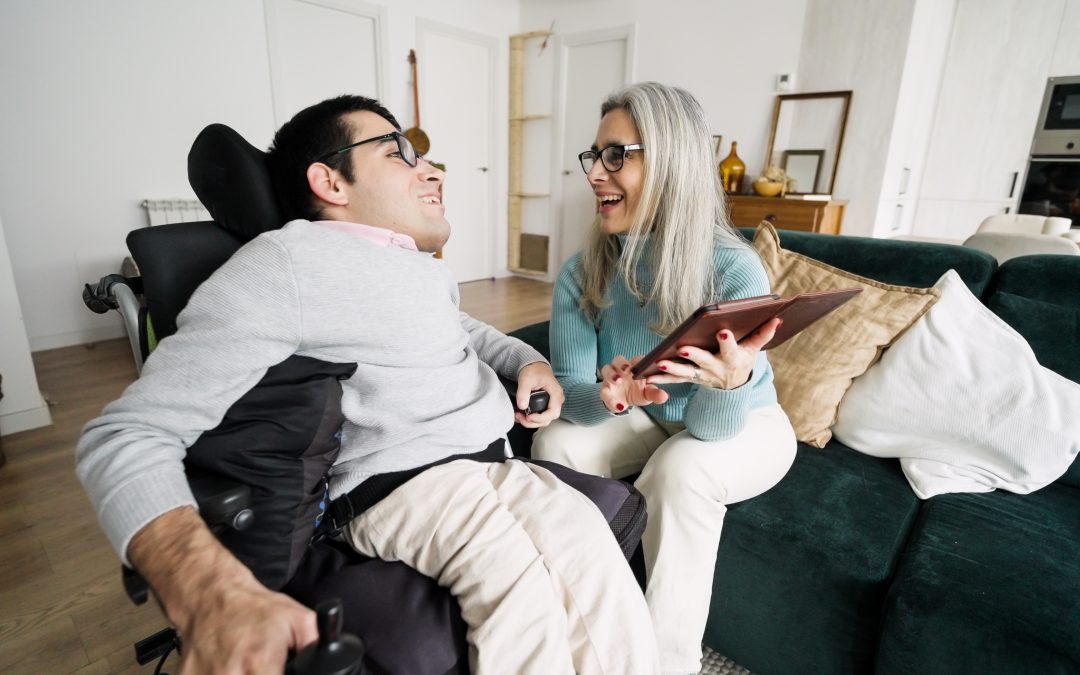
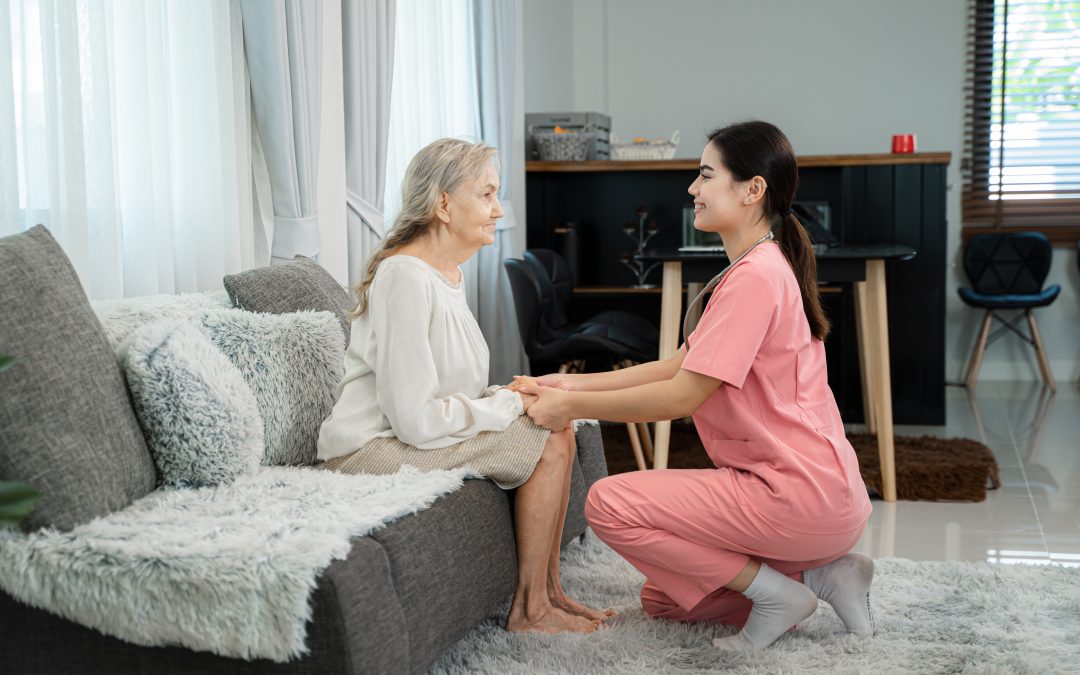
Building and maintaining new habits becomes easier with consistent support and encouragement. Professional companions can help older adults implement healthy routines by providing reminders, assistance, and motivation. Companions ensure proper nutrition by helping with meal planning and preparation. They encourage physical activity by walking together or facilitating exercises. They reduce social isolation through conversation and by helping coordinate calls with family. This regular presence makes healthy habits easier to maintain long-term. The accountability that comes with scheduled companion visits helps seniors stick to new routines.
Building Sustainable Wellbeing
The new year does not require major transformation or impossible goals. Small, sustainable habits create meaningful improvements to health, safety, and quality of life without overwhelming older adults or disrupting what already works.
Professional in-home support helps seniors build and maintain these healthy routines. When someone provides consistent encouragement, practical assistance, and genuine engagement, new habits take root more easily and last longer.
Cherished Companions understands that lasting wellbeing comes from sustainable daily habits rather than dramatic resolutions. Our professional companions support older adults in building routines that enhance nutrition, activity, social connection, and overall health.
Contact us today to learn how our in-home care services in Cleveland and in-home care services in Chagrin Falls can help your loved one create positive changes that last throughout the year.
Disclaimer: The content in this blog is for informational purposes only and is not a substitute for professional medical advice, diagnosis, or treatment. Always seek the advice of your physician or other qualified health provider with any questions you may have regarding a medical condition.