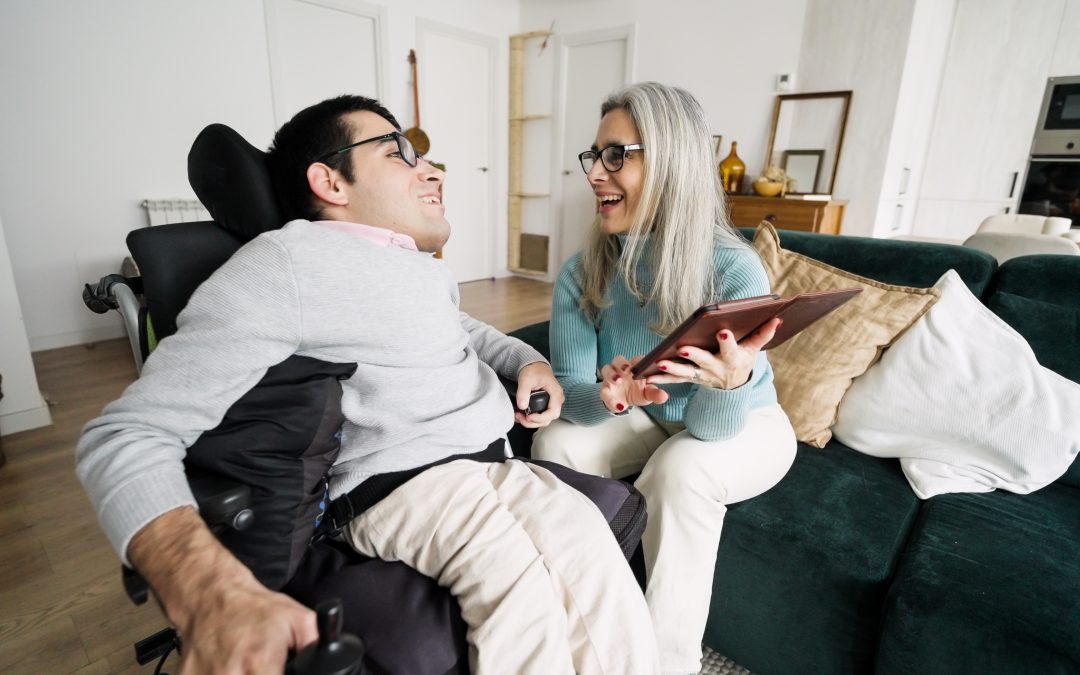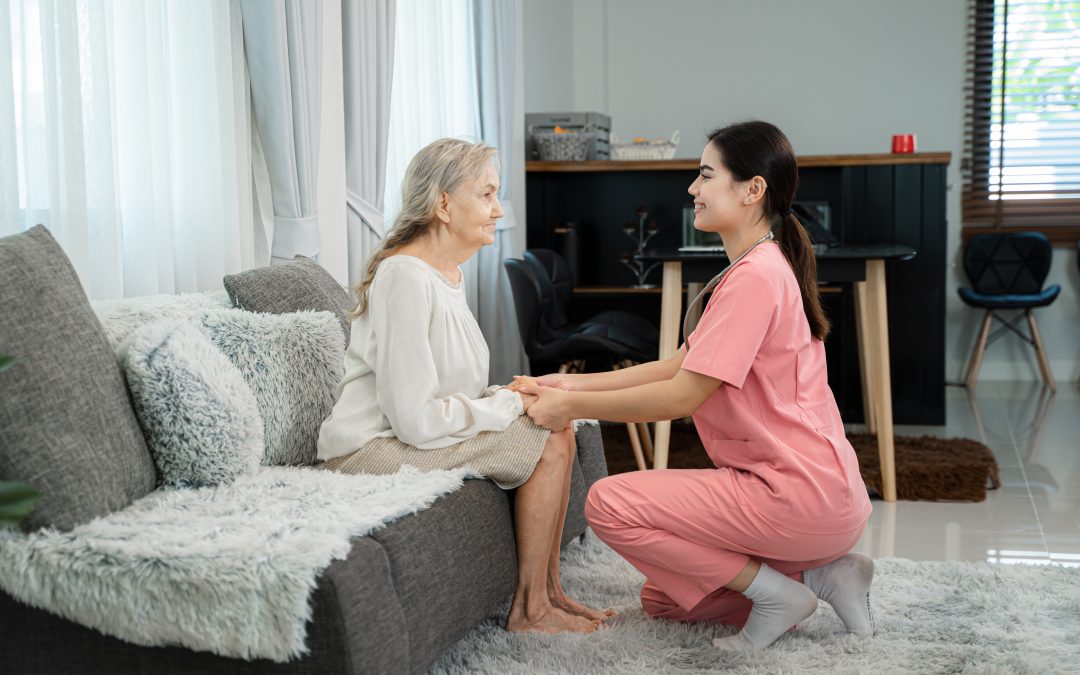
As the days grow shorter and temperatures drop, many older adults find themselves spending more time indoors. What begins as a practical response to colder weather can quietly shift into isolation. Social isolation and loneliness significantly impact both mental and physical health in older adults, increasing risks of depression, anxiety, and cognitive decline.
The changing seasons don’t have to mean withdrawing from connection. Regular visits, genuine conversation, and simple shared activities can make all the difference when the days get shorter.
Understanding Seasonal Changes and Their Emotional Impact
Fall and winter bring more than just cold weather. The shift in daylight, routine disruptions, and physical barriers to getting out can all affect how older adults feel and engage with the world around them.
How Shorter Days Affect Mood and Energy
When daylight fades earlier, it can affect our internal rhythms. Many people feel less energized or motivated as natural light decreases. For older adults already spending more time indoors, this reduction in sunlight can lead to lower mood and less interest in activities they once enjoyed.
The transition from active summer months to quieter fall routines can feel abrupt. Gardening stops, outdoor walks become less frequent, and social gatherings may pause until spring. These changes can leave noticeable gaps in daily life.
Winter Weather Creates Physical Barriers
Icy walkways, cold temperatures, and unpredictable weather can make it harder for seniors to leave home safely. Even a short trip to the mailbox or a neighbor’s house can feel risky. Over time, staying inside becomes the easier choice, but it can lead to feeling stuck or forgotten.
Holiday seasons can also bring mixed emotions. While some seniors look forward to family gatherings, others may feel the absence of loved ones who have passed or live far away.
How Fall and Winter Can Deepen the Need for Companionship
Companionship provides more than just someone to talk to. It offers structure, purpose, and emotional grounding during months when disconnection can creep in unnoticed.
Consistent Connection Provides Stability
When days blur together and routines slow down, regular companion visits create a reliable rhythm. Knowing someone will stop by on Tuesday afternoon or Friday morning gives your loved one something to look forward to. This predictability brings comfort and helps break up long stretches of solitude.
Companions bring the outside world in. They share news, weather updates, community happenings, and seasonal changes that keep seniors feeling connected to life beyond their walls.
Reducing Feelings of Loneliness and Depression
According to the Centers for Disease Control and Prevention, loneliness and social isolation in older adults can lead to serious health consequences, including increased risk of heart disease, stroke, and dementia.
Companionship addresses these risks directly. Regular interaction provides emotional support that helps prevent the downward spiral of loneliness. When someone genuinely cares and checks in, it reminds your loved one that they matter and are not forgotten.
Simple conversations about daily life, memories, or current interests help maintain cognitive engagement. Talking through thoughts and feelings with a trusted companion can ease anxiety and provide perspective during difficult moments.
The Power of Meaningful Conversation
Real connection comes from genuine listening and thoughtful exchange. The right companion knows how to create space for conversations that feel natural, not forced or rushed.
Older adults often have stories, concerns, and reflections they want to share. A good companion listens without judgment, asks thoughtful questions, and remembers details from previous conversations. This attentiveness builds trust and encourages your loved one to open up.
Some days call for lighthearted chat about the weather or a favorite TV show. Other days may bring deeper discussions about family memories, worries, or life reflections. Companions adapt to the mood and needs of each visit.
Conversation keeps the mind active. Discussing current events, reminiscing, or exploring new topics together provides mental stimulation that supports cognitive health. These exchanges don’t need to be complex. Simple discussions about favorite recipes, books, or hometown memories can be just as engaging.
Shared Activities That Bring Joy and Purpose
Companionship goes beyond conversation. Shared activities create opportunities for enjoyment, accomplishment, and connection during the quieter months.
Indoor Activities Perfect for Fall and Winter
When outdoor options are limited, indoor activities become the focus. Companions can help with seasonal projects like organizing photo albums, working on puzzles, or preparing favorite comfort foods. These activities provide purpose and create pleasant associations with the season.
Baking together fills the home with warmth and delicious smells. Whether it’s making apple pie, holiday cookies, or a simple batch of muffins, the process becomes a shared memory.
Reading aloud, listening to music, or watching classic films together offers relaxation and shared enjoyment. Companions can help select materials that match your loved one’s interests and energy levels.
Staying Connected to the Seasons
Just because it’s cold outside doesn’t mean one has to lose touch with nature. Companions can help bring seasonal beauty indoors through simple projects like arranging fall leaves, tending indoor plants, or setting up bird feeders visible from windows.
Short outdoor excursions on mild days help maintain a connection to the changing world outside. A drive to see fall colors, a brief walk to enjoy fresh air, or a visit to a seasonal market can lift spirits. Companions provide the support and encouragement needed to make these outings comfortable and safe.
How Professional Companionship Supports Emotional Health
Professional companions bring more than just company. They offer trained, consistent support that specifically addresses the emotional needs of older adults during the fall and winter months.
Professional caregivers understand the signs of seasonal mood changes and social withdrawal. According to the National Institute of Mental Health, seasonal affective disorder and winter depression can significantly impact older adults as daylight decreases. Caregivers notice when energy levels drop, when interest in activities fades, or when conversations become less frequent. Early recognition allows for gentle intervention and family communication before concerns become serious.
Weather doesn’t stop professional caregivers. When family members can’t visit due to icy roads or work schedules, companions still show up. This reliability matters deeply during months when isolation can set in quickly.
Knowing that someone will be there regardless of weather conditions provides peace of mind for both seniors and their families. Your loved one doesn’t have to worry about being alone if conditions prevent family visits.
Supporting Your Loved One Through the Season
The transition into fall and winter doesn’t have to mean accepting isolation as unavoidable. With planning and support, these months can become times of comfort, connection, and interaction.
Starting companion visits as fall begins creates a foundation of connection that carries through winter. Your loved one has time to build trust with their companion and establish routines before the hardest months arrive.
Professional companionship enhances rather than replaces family relationships. When daily practical and emotional needs are met, family visits can focus on quality time and genuine connection. You can enjoy conversations without worrying about whether your parent has eaten properly or feels lonely between visits.
Finding the Right Support for Fall and Winter
As the days grow shorter and temperatures drop, it’s important to think about how companionship can support your loved one’s emotional well-being. Consistent, meaningful connection helps prevent feelings of withdrawal before they begin.
The right companion brings warmth, conversation, and a steady presence into your loved one’s home. They offer gentle structure on quiet days and the kind of human connection that makes fall and winter feel less lonely.
At Cherished Companions, we understand how seasonal changes affect older adults. Our professional caregivers provide dependable, compassionate support to help your loved one stay emotionally strong and socially engaged all season long.
Contact us today to learn how our in-home care services in Cleveland and in-home care services in Chagrin Falls can support your loved one this season.
Disclaimer: This content is for informational purposes only and is not a substitute for professional medical advice, diagnosis, or treatment. Always consult your physician or qualified healthcare provider with questions about a medical condition.