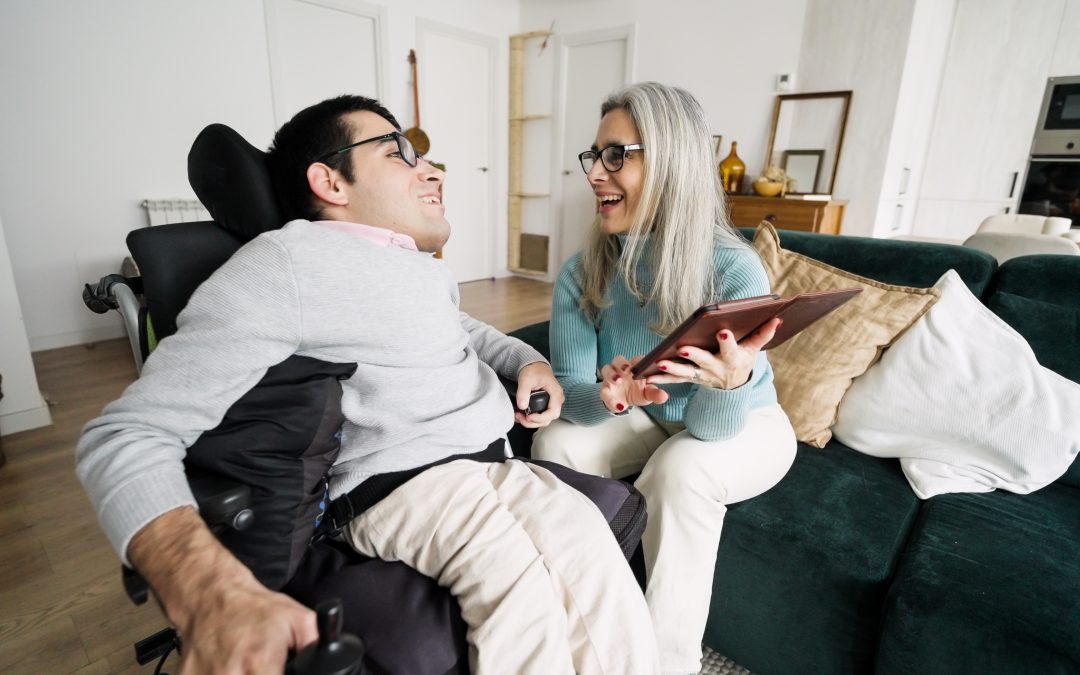
As we age, the structure that once defined our days, like work schedules, family responsibilities, and social commitments, often changes dramatically. Without those familiar rhythms, many older adults feel untethered, and that can affect both physical and emotional well‑being.
One study published in BMC Public Health looked at over 3,300 adults aged 60+ and found that those who kept a steady sleep schedule (waking and sleeping around the same times) were more likely to age successfully, meaning better physical health, cognition, and social engagement, compared to peers with irregular sleep patterns
When daily routines are predictable—sleep, meals, activity—people don’t just feel more stable. They get better sleep, stay on track with medications, stay mentally sharp, and feel more confident navigating their day.
Why Routines Matter for Older Adults
The value of routines increases as we age for several compelling reasons. While younger adults might thrive on variety, older individuals often benefit from the stability that comes with predictable patterns.
Creating a Sense of Security
Life transitions such as retirement, health changes, or losing a spouse can create feelings of uncertainty for seniors. A consistent routine serves as an anchor during these times, providing comfort through predictability.
When seniors know what to expect from their day, it can reduce anxiety and create a foundation of security. This psychological stability is particularly important for those experiencing memory concerns, as familiar patterns help compensate for memory gaps and reduce confusion.
Supporting Physical Health
Regular routines directly impact physical health in several ways. Consistent sleep and wake times help regulate the body’s internal clock, improving sleep quality and energy levels. Regular meal times support proper nutrition and digestion, while scheduled physical activity maintains strength and mobility.
Perhaps most importantly, routines help ensure that medications are taken correctly. According to the World Health Organization, nearly half of all patients with chronic illnesses do not take their medications as prescribed. A structured medication routine dramatically improves adherence, particularly for seniors managing multiple prescriptions.
Promoting Cognitive Function
Routines take some of the pressure off. When the basics of the day are already in place, it leaves more room to focus on things that actually matter, like spending time with loved ones or enjoying a favorite hobby.
Research from Harvard Medical School suggests that regular routines can help maintain cognitive function and support brain health. When basic activities follow consistent patterns, it creates cognitive efficiency that benefits overall mental well-being.
Enhancing Emotional Well-being
A structured day provides a sense of purpose and accomplishment, even when the activities themselves are simple. Completing routine tasks successfully reinforces independence and self-efficacy, boosting confidence and mood.
Regular routines also create natural opportunities for social connection. Whether it’s a standing coffee date with a friend or a weekly call with family, these scheduled social touchpoints combat isolation and foster emotional health.
Key Elements of a Healthy Senior Routine
While every person’s ideal routine will look different based on their preferences, needs, and abilities, certain elements contribute to a balanced daily structure for most older adults.
Consistent Sleep Schedule
Quality sleep becomes more elusive with age, with the National Sleep Foundation reporting that up to 40% of older adults experience sleep disturbances. A regular sleep schedule helps regulate the body’s internal clock and improve sleep quality.
Creating a calming bedtime routine signals to the body that it’s time to wind down. Simple rituals like reading, gentle stretching, or enjoying a warm drink can become powerful sleep cues when practiced consistently.
Regular Meals and Hydration
Nutritional needs don’t diminish with age, but appetite often does. Regular meal times help ensure proper nutrition and maintain energy levels throughout the day.
Hydration deserves special attention, as the sensation of thirst often decreases with age, increasing dehydration risk. Building regular hydration breaks into the daily routine helps prevent this common issue.
Medication Management
For many seniors, medication management is among the most critical aspects of their daily routine. Creating a system that ensures medications are taken at the right times and in the right doses is essential for managing chronic conditions.
Many find success with pill organizers, timer caps, or medication reminder apps. Linking medication times to other established habits—like meals or brushing teeth—creates natural memory triggers that improve consistency.
Physical Activity and Social Engagement
Regular movement remains vital throughout life. The Physical Activity Guidelines for Americans recommend that older adults get at least 150 minutes of moderate activity weekly, ideally spread throughout the week.
Similarly, regular social interaction should be a scheduled priority. Research consistently shows that social connection is a key determinant of healthy aging, affecting everything from cognitive function to longevity.
Creating a Balanced Routine
While structure is beneficial, balance is equally important. An ideal routine provides predictability without rigidity, allowing room for spontaneity and adjustments as needed.
Assessing Individual Needs
The most successful routines are built around individual preferences and needs. Some seniors thrive with a highly structured day, while others prefer a looser framework with a few anchor points.
Health considerations also shape effective routines. Medical appointments, therapy sessions, and medication schedules often form the framework around which other activities are arranged.
Starting Small and Building Gradually
When establishing new routines, gradual implementation typically works better than sweeping changes. Starting with one or two priority areas creates a foundation for success. Once these become habits, additional elements can be incorporated.
Building in Flexibility
While consistency matters, rigid adherence to routines can create unnecessary stress when disruptions occur. Building flexibility into routines helps manage the inevitable variations that life brings, whether it’s a special family gathering or a medical appointment.
Having contingency plans for days when the regular routine can’t be followed helps maintain overall consistency even when specific details change.
How Caregivers Can Support Healthy Routines
Caregivers play an important role in helping older adults build and maintain routines that support daily well-being. Recognizing how much structure can improve quality of life allows caregivers to prioritize this part of care without taking away a person’s independence.
The key is balance—offering gentle structure while still honoring individual preferences. Predictable routines should feel supportive, not rigid, and give seniors a sense of stability without limiting their freedom.
Many older adults benefit from visual reminders that make routines easier to follow. Tools like calendars, checklists, or written daily schedules can offer helpful cues while still promoting dignity and self-direction.
How We Support Consistent Routines
We understand the profound impact that well-designed routines have on senior health and happiness. Our approach to in-home care places special emphasis on establishing and maintaining beneficial daily patterns that support independence and well-being.
Our professional caregivers are trained to recognize the unique needs and preferences of each client, helping create personalized routines that enhance quality of life. We work with our clients and their families to develop customized approaches that respect individual choices while providing necessary structure.
We offer flexible care options that can be tailored to support specific routine elements:
- Morning and evening care to establish consistent wake and sleep times
- Meal preparation and mealtime companionship
- Medication reminders and management
- Transportation to regular appointments and activities
- Assistance with regular exercise and physical activity
- Support for maintaining social connections and hobby participation
We proudly provide in-home care in Cleveland and in-home care in Chagrin Falls, enabling seniors to maintain healthy routines in the comfort of their own homes.
Taking the First Step Toward Better Routines
If you’ve noticed that your loved one could benefit from more structure in their daily life, simple steps can make a significant difference. Start by observing current patterns and identifying one or two areas where increased consistency might offer the greatest benefit, whether it’s sleep schedule, medication management, or regular meals.
For many families, professional support makes implementing and maintaining healthy routines more manageable. At Cherished Companions, we’re dedicated to helping seniors establish beneficial routines that enhance independence and quality of life. Our compassionate caregivers provide the right balance of structure and flexibility, adapting to each client’s unique needs and preferences.
Contact us today to learn more about how our in-home care services can help your loved one develop routines that support their health, happiness, and continued independence at home.
Disclaimer: The content in this blog is for informational purposes only and is not a substitute for professional medical advice, diagnosis, or treatment. Always seek the advice of your physician or other qualified health provider with any questions you may have regarding a medical condition.