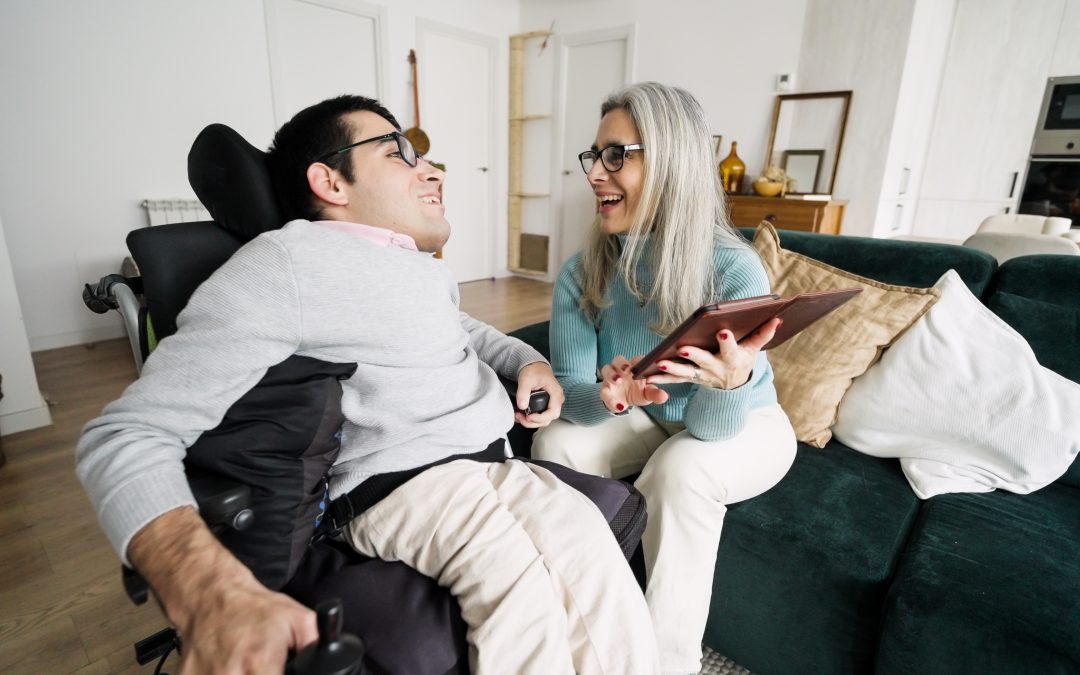
 Evening is a challenging time for people with Alzheimer’s or dementia and for their caregivers. As you wrap up the day, changes in routine or the increase in activity as you prepare for bedtime can create feelings of anxiety in your loved one. In some cases, those feelings intensify to include restlessness and mood swings that grow worse as the evening progresses, but seem better in the morning. This condition is known as Sundowners Syndrome, and it can create significant challenges for seniors and their families.
What Is Sundowners Syndrome?
Sundowning, also called (sundowner syndrome), is a condition that happens to people with dementia and is marked by more confusion, anxiety, nervousness, and restlessness. It usually gets worse in the late afternoon or early evening. It is not a disease, but a group of symptoms that might be caused by the body’s internal clock being thrown off. Not a sickness in and of itself, but a sign of dementia or Alzheimer’s that is probably brought on by changes in your circadian cycle, being tired, or not having enough light.
Sundowners syndrome occurs in about 20% of people who have Alzheimer’s disease or cognitive impairment, but it can also happen in elderly people who don’t have dementia. The cause of the condition is uncertain, but there are several things that seem to trigger changes in behavior as the evening progresses:
- Fading light
- Increased shadows in the room, causing disorientation
- Disruption of a person’s body clock is related to changes in the brain as dementia progresses
- Difficulty separating dreams from waking hours
The condition can also be aggravated by an unpredictable schedule, illness, fatigue, depression, eating habits, an increase in end-of-day activity, and even the longer hours of darkness during the winter.
Symptoms of the condition may vary from person to person, but they commonly include:
- Restlessness and agitation
- Irritability
- Confusion or disorientation
- A tendency to pace or wander
- Mood changes such as suspicion, anger, sadness, or anxiety
- Sudden mood swings
- Becoming angry, violent, or belligerent
- Hallucinations such as seeing or hearing things that aren’t there
The challenge for family members is that these symptoms may not always have an immediately identifiable cause. Still, there are a number of ways you can help your mom or dad if they have begun to experience the effects of Sundowners Syndrome.
Why do the elderly have trouble sleeping at night?
Elderly people often have trouble sleeping due to age-related physiological shifts (such as changes in melatonin production), chronic pain, and medical conditions like heart disease or arthritis. Most probably side effects from multiple medications or a nighttime urination (nocturia) problem. All of these things can lead to broken sleep or light sleep, which means you wake up more often.
Some of the main reasons why older people have trouble sleeping are:
Sleep Disorders: Older people are more likely to have sleep apnea (where breathing stops) and restless legs syndrome.
Physiological Changes: Over time, people spend less time in deep, healing sleep and more time in lighter sleep stages. This makes them more aware of being awake and makes it easier for them to wake up.
Pain & Medical Conditions: Chronic discomfort from conditions like arthritis, breathing problems, indigestion, (sleep apnea) or heart disease can all make it hard to sleep.
Nighttime Urination (Nocturia): Having to go to the bathroom in the middle of the night is a common reason why people can’t sleep. This is often caused by medicines or health problems.
Biological Clock Changes: Due to changes in the circadian rhythm, senior people get tired and wake up earlier. Melatonin levels drop with age, which makes sleep worse.
Lifestyle Factors: Not getting enough exercise, taking too many naps during the day, and drinking too much coffee or alcohol can make it hard to sleep through the night.
Medication Side Effects: Older people take medicines, like those for asthma or high blood pressure, that can make it hard to sleep or keep them awake.
How to Help a Loved One With Sundowners Syndrome
 Helping a loved one with sundowning means setting up a strict, regular pattern, lowering stimulation in the evening, and increasing light exposure during the day. In the evening, make the room calm and well-lit, and offer relaxing activities like music, soft conversation, or light exercise. Avoid alcohol and caffeine, watch what you eat, and give encouragement to make things easier.
Perhaps the most important thing you can do for your loved one is to manage your own emotions carefully. It can be extremely difficult to see these changes in your mom or dad, but remember that they are not directed at you personally (even if it seems that way). Your loved one is likely experiencing fear, anxiety, and disorientation that make it difficult or impossible to manage their interactions and emotions. You can help them by remaining calm and providing reassurance.
The second step is to manage your family member’s environment to minimize their symptoms:
Establish a regular routine.
Follow a regular pattern of waking, sleeping, and mealtimes every day. Whenever possible, schedule activities like doctor appointments or social activities in the early part of the day when your loved one is at their best.
Consider how habits affect sleep.
Eating and lifestyle habits can contribute greatly to your mom or dad’s ability to fall asleep and stay asleep. Avoid alcohol and smoking, and limit sweets and caffeine to early in the day as much as possible. Serve a bigger lunch and try to keep the evening meal smaller, and help your loved one avoid naps at least four hours before bedtime.
Create a calm evening environment.
Because an increased flurry of activity seems to trigger symptoms, work to maintain a calm, quiet environment in the late afternoon and evening. Avoid watching television and instead play relaxing music, read, play a game, or take a walk.
Use lighting to your advantage.
During the daytime, spending time outdoors may help keep your family member’s body clock on the right schedule. In the winter, provide supplemental full-spectrum light indoors if possible. You can also use strategically placed lighting in the evening to minimize shadows and reduce feelings of disorientation.
Take additional safety measures.
People with Sundowners Syndrome may have an increased tendency to wander, so take extra steps to ensure that doors are locked at night and use nightlights to minimize the risk of falls. Consider using a safety gate to block stairways and put kitchen tools out of reach if they present a danger.
Ask for Help When You Need It
As a caregiver, sometimes the last person you think about is yourself. But lack of sleep and heavy emotional burdens can make it difficult to function well, especially if your loved one struggles with mood swings and personality changes. Remember that you need to take care of yourself so that you can provide the care your mom or dad needs as they struggle with the symptoms of Sundowning Syndrome. Ask family members and friends to step in and help for an evening so you can get rest. Take breaks as often as you can, and try to get a nap during the day if you haven’t been able to sleep well at night.
Home care is another great way to make sure your senior loved one has excellent care. Whether you need full-time help or you’re looking for someone to step in with respite care while you take a needed rest, home care will provide the support and companionship your mom or dad needs to face the challenges of Sundowners Syndrome. You can also brighten a loved one’s day with these senior care package ideas that offer comfort and connection.
Frequently Asked Questions About Sundowners Syndrome
What is sundowners syndrome?
Sundowners syndrome refers to increased confusion, agitation, or restlessness that occurs in the late afternoon and evening, often in people with dementia.
What causes sundowning in the elderly?
It’s linked to disruptions in the body’s internal clock and can be worsened by fatigue, low lighting, and changes in daily routine.
How can you help someone experiencing sundowning?
Keeping a consistent routine, getting daytime light exposure, using evening lighting to reduce shadows, reducing noise, and offering calm reassurance can all help ease sundowning symptoms.
What time of day is sundowning worst?
Symptoms typically appear in the late afternoon and early evening as daylight fades.