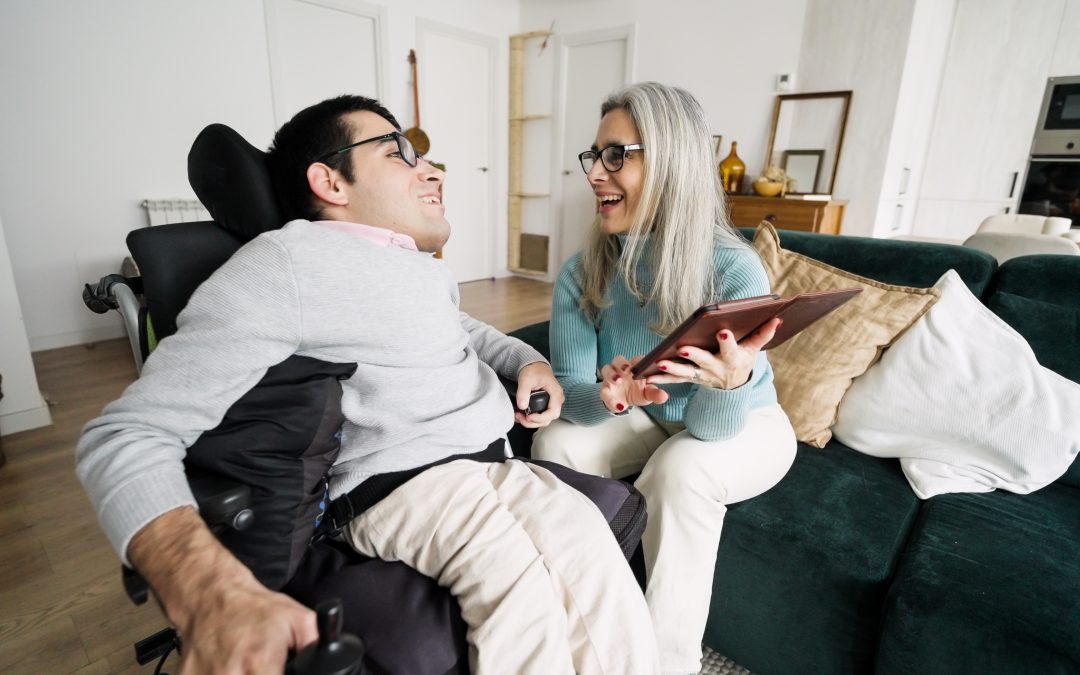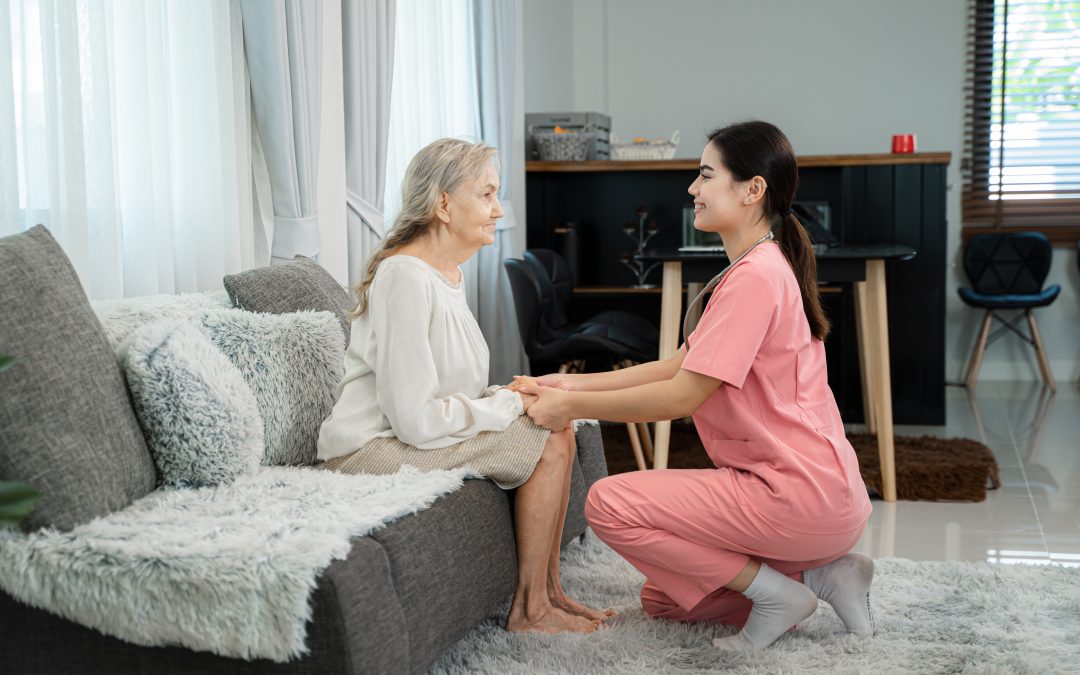
When someone you love wants to stay in their own home, it often feels like a win for everyone. Familiar routines stay intact, comforts stay close, and independence stays front and center. At the same time, families know that living at home can come with everyday gaps, like quiet afternoons, skipped meals, forgotten errands, missed meds, or long stretches without meaningful conversation. That’s where in-home companion care can be such a steady support. It helps seniors feel more connected and engaged day to day, while giving families breathing room and reassurance without turning home life into something clinical.
Companionship Is More Than “Someone Stopping By”
True companionship isn’t just presence. It’s a connection. It’s having someone who shows up consistently, gets to know preferences, and becomes part of a comfortable rhythm.
For many families, senior companionship services feel like the missing link between “They are fine” and “They could use a little more support.” It’s non-medical, relationship-based care that helps days feel fuller and more supported.
How Companionship Supports Seniors at Home
When seniors have someone to share time with, daily life tends to flow more smoothly. The support often looks simple, but the impact can be meaningful.
Here are a few ways companion care for seniors supports everyday living:
More connections built into the week
Conversation matters. A friendly visit can bring laughter, storytelling, and a sense of being seen. That consistent social time supports seniors in a way phone calls can’t always replicate.
Gentle structure for senior daily routines
Many seniors do well when days have a predictable shape. A companion can reinforce daily routines like mealtimes, light activity, hobbies, and getting ready for the day, without taking over.
Help with everyday tasks, without changing independence
This might mean a ride to an appointment, help creating a grocery list, tidying up the kitchen after lunch, or organizing mail. It’s practical in-home support that helps prevent small tasks from piling up.
Support for seniors living independently
For seniors aging in place, companionship can provide reassurance without disrupting autonomy. It’s a supportive presence that encourages confidence and comfort at home, especially for those who prefer to do things their own way.
Home safety support through awareness
A companion often notices the little things, like a dim hallway bulb, clutter building up near walkways, or a rug that keeps slipping. This kind of everyday awareness supports home safety for seniors in a natural, low-pressure way.
How Companionship Supports Family Caregivers
Family caregiving is full of love, and it can still be a lot. Many adult children and spouses are balancing work, kids, travel time, and their own health while trying to keep a parent safe and engaged.
In-home companionship supports families in ways that feel both practical and emotional.
Reliable help caring for aging parents
Even when families are very involved, it’s hard to be everywhere at once. A companion provides consistent visits that help fill the gaps, which can ease the mental load of caring for aging parents.
Peace of mind for help for seniors living alone
If your loved one lives alone, seasonal changes, family vacations, medical emergencies, and other curveballs in life can make families anxious. Regular companion visits can reduce worry and provide a sense of continuity for seniors living alone. Knowing they will have medication reminders, wholesome meals, transportation to appointments, and compassionate assistance can put you at ease when you can’t be there.
Support for family caregivers that feels sustainable
Many family members taking care of their aging loved ones don’t need round-the-clock support. They just need help that makes the week feel manageable. Support for family caregivers can look like help with errands, shared meals, companionship during the day, or someone to sit and chat when family can’t be there.
Caregiver support services without a clinical vibe
Families often hesitate to bring in outside help because they worry it will feel too formal or too medical. Non-medical in-home care is different. It focuses on daily life, connection, and practical support.
Caregiver respite support that feels normal
Respite doesn’t have to mean stepping away completely. Sometimes it simply means knowing your loved one is not alone for a few hours, so you can attend a meeting, run errands, rest, or spend time with your own family. Used thoughtfully, caregiver respite support can protect your energy while keeping the senior’s day warm and connected.
What companionship can look like on a regular day?
Families often ask what companionship visits actually include. It varies based on the person, but here are real-life examples that fit naturally into senior care at home:
- Sharing coffee and conversation in the morning
- Planning a simple lunch and eating together
- A short indoor walk or stretching session
- Playing cards, doing a puzzle, or watching a favorite show
- Light housekeeping that keeps the home comfortable
- Medication reminders
- Hygiene upkeep
- Transportation to appointments and outings
- Help with grocery shopping and putting items away
- Support with technology, like video calls with family
- Seasonal organization, like sorting winter coats or clearing clutter near entryways
All of this supports your aging family member in a way that honors their preferences and independence.
Why Companionship Supports Aging in Place
When seniors feel connected, supported, and safe at home, it becomes easier to keep life steady. That stability is a big part of aging in place support. Companionship helps by reducing isolation through consistent social time, reinforcing routines that help days feel predictable, supporting confidence with everyday tasks, and noticing small home safety issues before they become bigger problems.
That combination supports seniors and their families in a way that is respectful and empowering.
Choosing the Right Level of Support
There is no one-size-fits-all schedule. Some families want a few visits each week. Others prefer daily check-ins or longer visits during the day. Some even need 24/7 care sometimes.
If you’ve found yourself searching “senior companion services near me,” it can help to think about what would feel most supportive right now. Is the biggest need connection? Routines? Help with errands? A steady presence during the day?
Often, companionship is most effective when it’s consistent enough to create a rhythm, but flexible enough to fit real life.
For more tips on supporting a loved one at home and staying connected as a caregiver, visit the National Institute on Aging for helpful caregiving resources.
How Cherished Companions Can Help
At Cherished Companions, companionship is built around relationships, dignity, and everyday comfort. Our caregivers provide in-home companion care that supports both seniors and families, with warmth and respect at the center.
Contact us today to learn how our in-home care services in Cleveland and in-home care services in Chagrin Falls can help your family provide consistent, compassionate care for your loved one.
Disclaimer: The content in this blog is for informational purposes only and is not a substitute for professional medical advice, diagnosis, or treatment. Always seek the advice of your physician or other qualified health provider with any questions you may have regarding a medical condition.